The Liberty Trail

- parking
- accessible_parking
- wheelchair_accessible
- restrooms
- wifi









- restrooms
- wheelchair_accessible

- parking
- accessible_parking
- wheelchair_accessible
- restrooms



- parking
- accessible_parking
- wheelchair_accessible
- restrooms

- parking
- accessible_parking
- wheelchair_accessible
- pet_friendly



- wifi
- parking
- restrooms
- wheelchair_accessible



- parking
- accessible_parking
- wheelchair_accessible
- pet_friendly



- parking
- accessible_parking
- wheelchair_accessible
- restrooms
- wifi

- parking
- restrooms
- pet_friendly

- parking
- accessible_parking
- wheelchair_accessible
- restrooms
- wifi






- parking
- accessible_parking
- wheelchair_accessible


- parking
- restrooms
- wheelchair_accessible




- parking
- accessible_parking
- restrooms
- pet_friendly

- parking
- accessible_parking
- wheelchair_accessible
- restrooms





- parking
- accessible_parking
- wheelchair_accessible
- restrooms
- wifi
- parking
- accessible_parking
- wheelchair_accessible
- restrooms
- wifi

- parking
- wheelchair_accessible
- restrooms
- pet_friendly







- parking
- restrooms
- wheelchair_accessible







































- parking
- accessible_parking
- restrooms



Explore the many guided tours of The Liberty Trail
This Day on the Liberty Trail
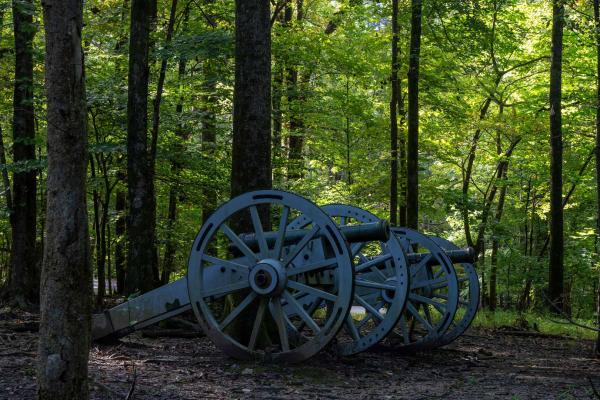


Uncovering History
We invite you to visit the preserved locations along the Liberty Trail and to immerse
yourself in the extraordinary events that determined the fate of a nation.
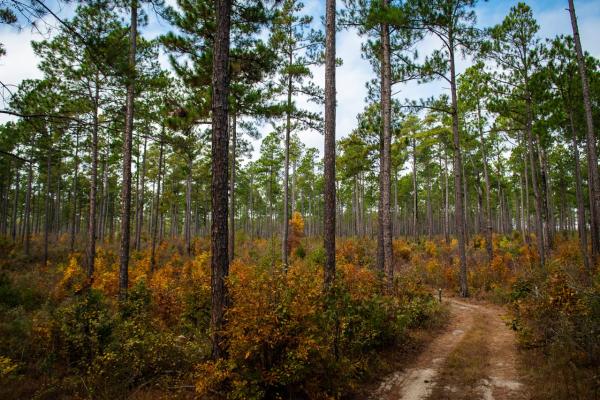
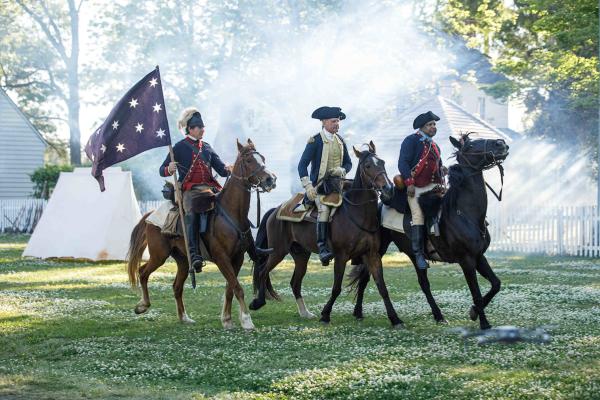
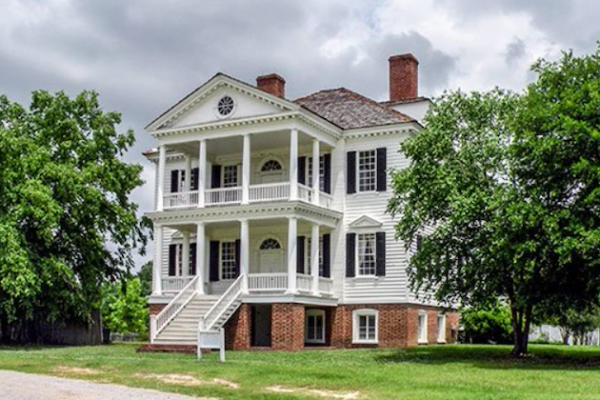


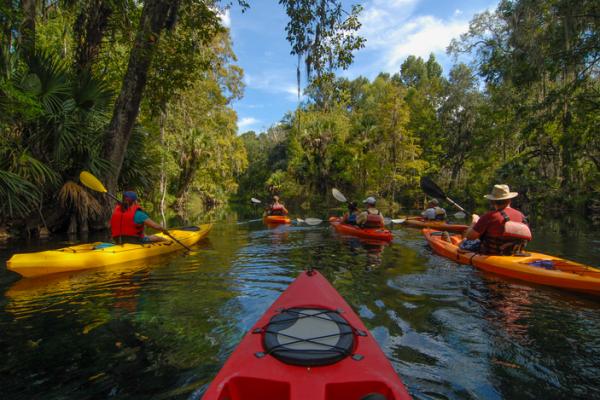
Family Friendly Adventures
Discover a part of our nation’s history at historic landmarks and events.


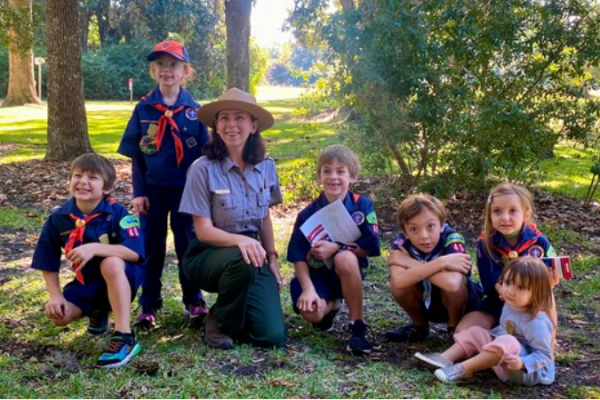
Liberty Trail History Makers
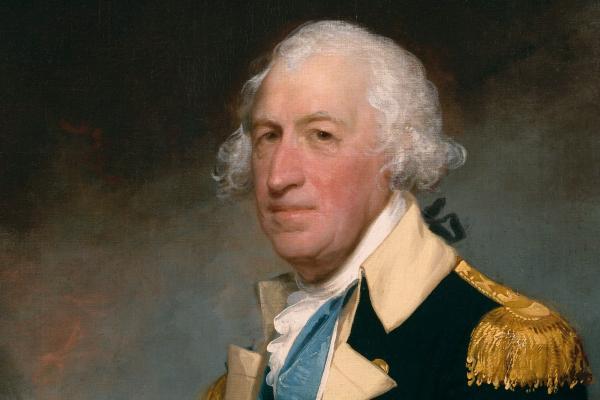
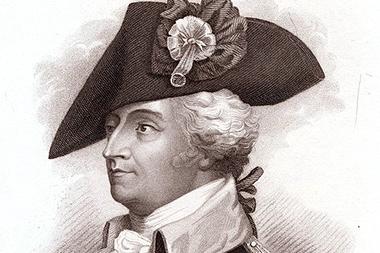
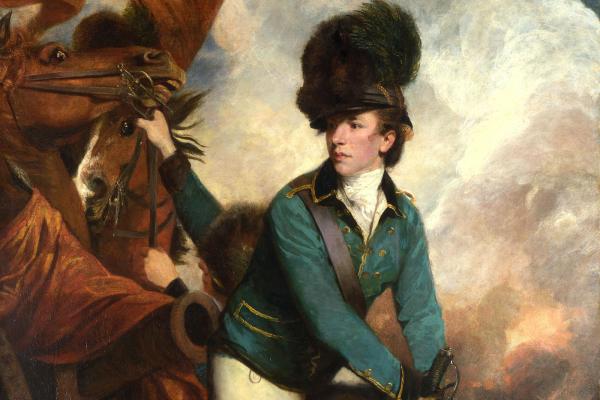
The Revolutionary War was a war unlike any other — one of ideas and ideals, that shaped “the course of human events. Explore the history and personalities from this pivotal time in American history.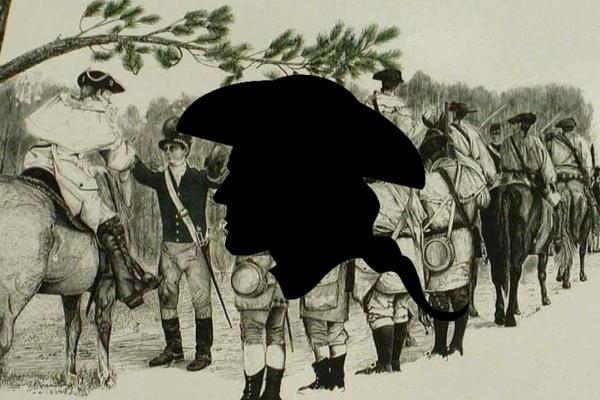
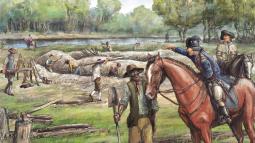
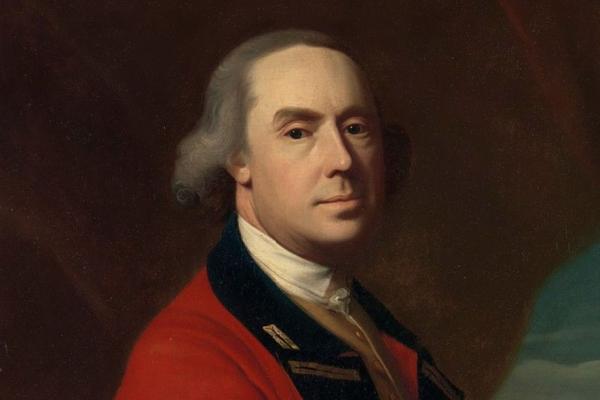
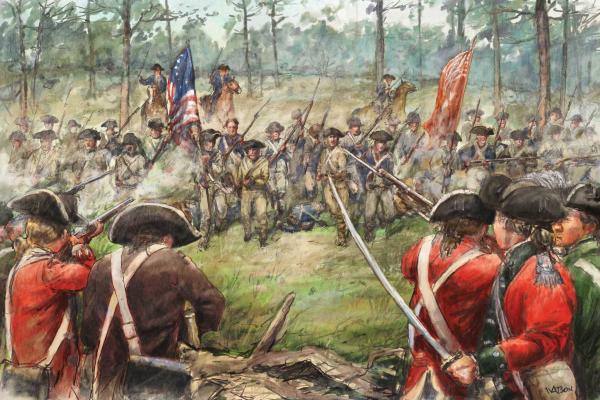
Born in England in 1723 and trained as a physician in London, John Pyle brought his family to Alamance County, North Carolina, where he later emerged as a steadfast Loyalist colonel. In 1781, his misidentification of Patriot troops as British escorts led to the brutal clash known as Pyle’s Defeat, leaving him wounded and maimed—yet ultimately tending to the very Patriot soldiers who had struck down his force.
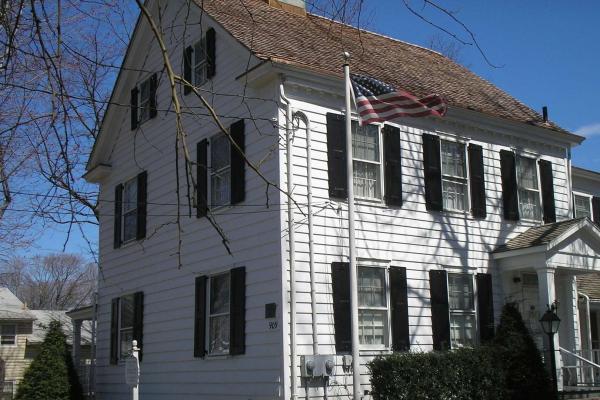
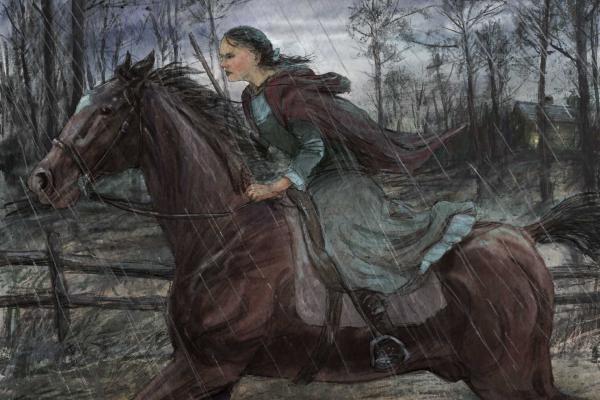
Hannah Caldwell of Connecticut Farms, New Jersey was a civilian casualty of the American Revolution. She died instantly when a British soldier fired into her home on June 7, 1780. Recognized as a patriot by the Daughters of the American Revolution, her gravestone reads, "was killed at Connecticut Farms by a shot from a British Soldier. Cruelly sacrificed by the enemies of her husband and her country.”
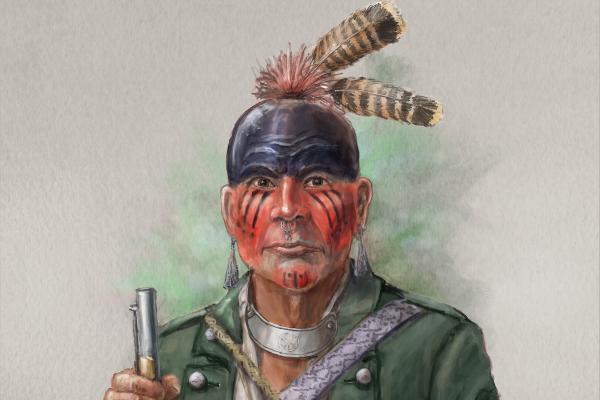
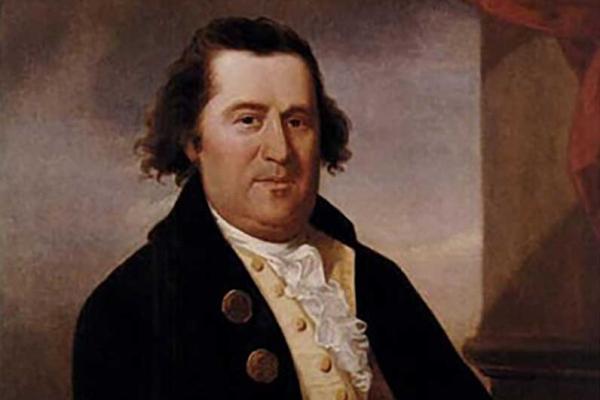
Catawba leader General New River, born around 1740, allied with the Patriots during the Revolutionary War, leading Catawba warriors in key southern battles. Despite their service, the Catawba lost much of their ancestral land, and New River continued advocating for his people's rights until his death in 1804.
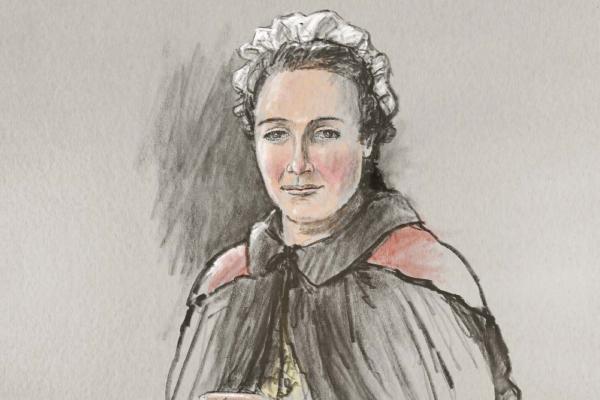
Lucy Flucker Knox defied her family to marry Henry Knox and supported him through the Revolution, balancing life as a military wife and mother. Her story highlights women's overlooked role in early American history.