
The Liberty Trail

- parking
- accessible_parking
- wheelchair_accessible
- restrooms
- wifi





- restrooms
- wheelchair_accessible

- parking
- accessible_parking
- wheelchair_accessible
- restrooms





- parking
- accessible_parking
- wheelchair_accessible
- restrooms


- parking
- accessible_parking
- wheelchair_accessible
- pet_friendly



- wifi
- parking
- restrooms
- wheelchair_accessible




- parking
- accessible_parking
- wheelchair_accessible
- pet_friendly


- parking
- accessible_parking
- wheelchair_accessible
- restrooms
- wifi

- parking
- restrooms
- pet_friendly

- parking
- accessible_parking
- wheelchair_accessible
- restrooms
- wifi





- parking
- accessible_parking
- wheelchair_accessible



- parking
- restrooms
- wheelchair_accessible


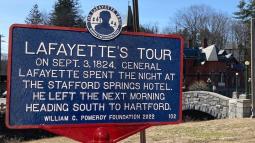
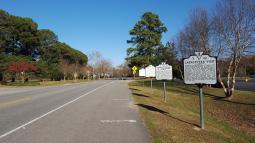




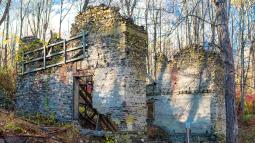
- parking
- accessible_parking
- restrooms
- pet_friendly
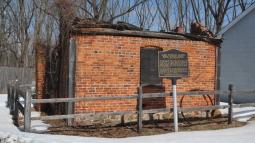
- parking
- accessible_parking
- wheelchair_accessible
- restrooms

- parking
- accessible_parking
- wheelchair_accessible
- restrooms
- wifi
- parking
- accessible_parking
- wheelchair_accessible
- restrooms
- wifi

- parking
- wheelchair_accessible
- restrooms
- pet_friendly





- parking
- restrooms
- wheelchair_accessible




































- parking
- accessible_parking
- restrooms
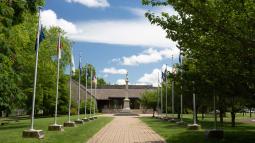
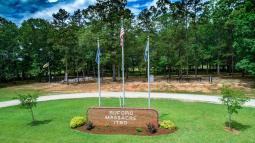
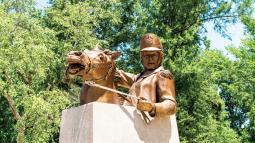

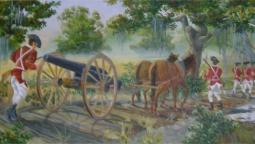
Explore the many guided tours of The Liberty Trail
This Day on the Liberty Trail
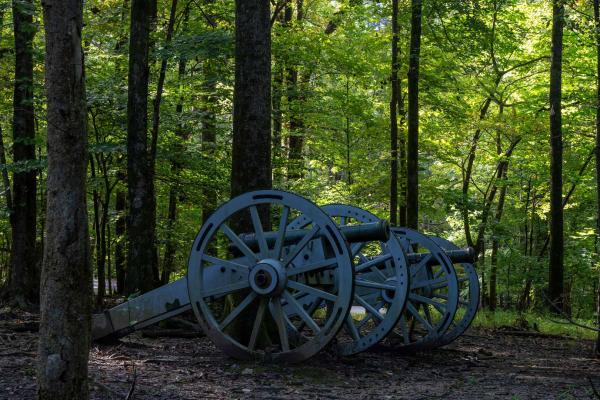
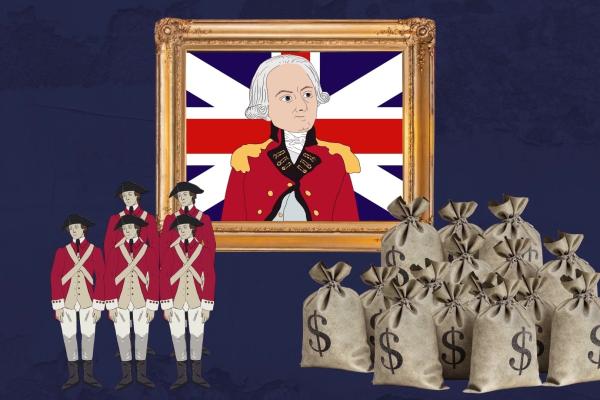

Uncovering History
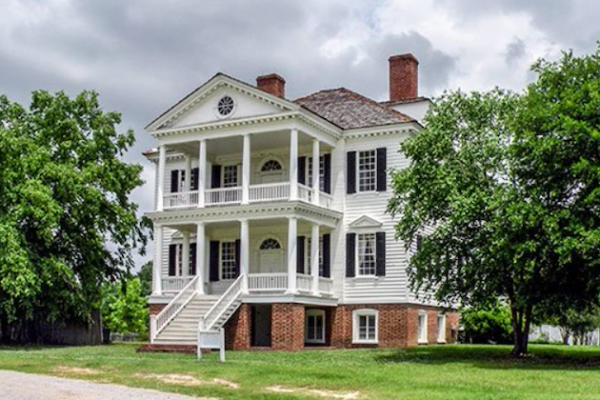
We invite you to visit the preserved locations along the Liberty Trail and to immerse
yourself in the extraordinary events that determined the fate of a nation.
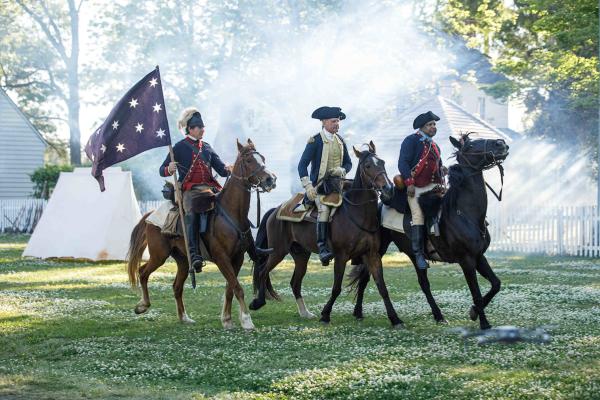


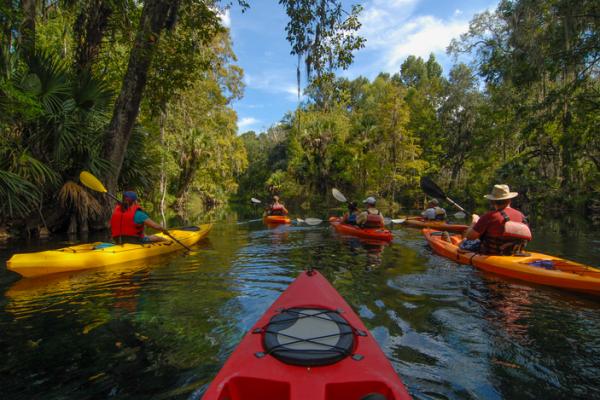
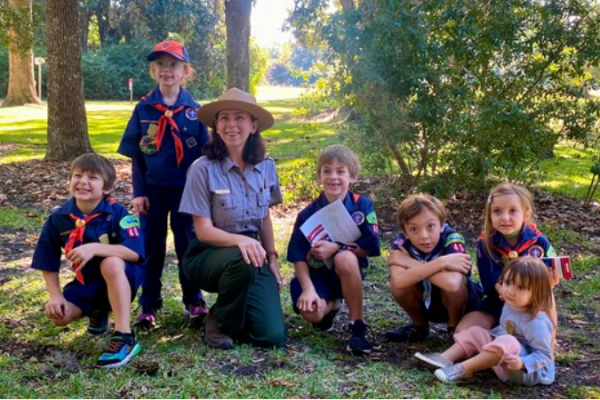
Family Friendly Adventures
Discover a part of our nation’s history at historic landmarks and events.


Liberty Trail History Makers
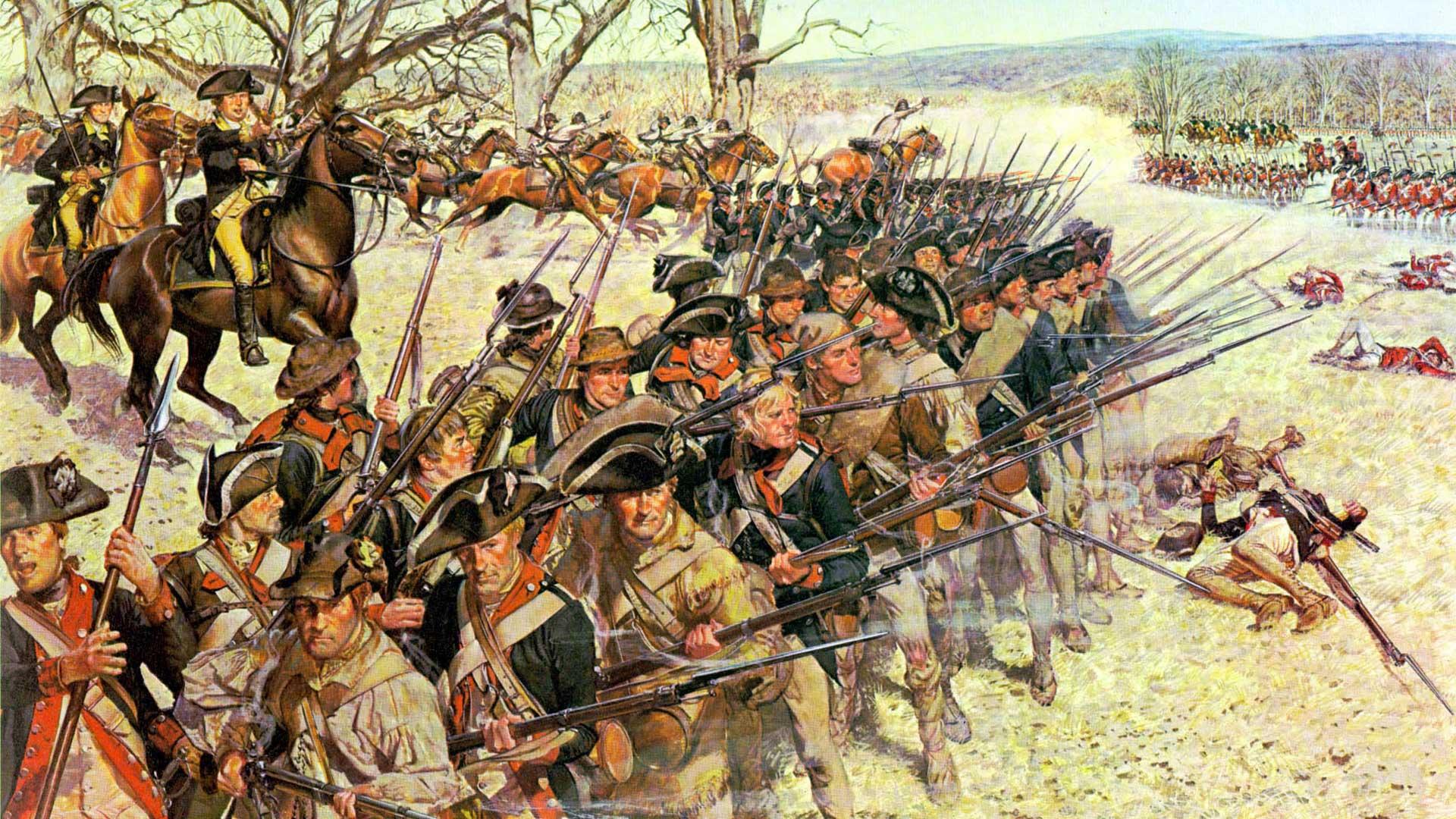
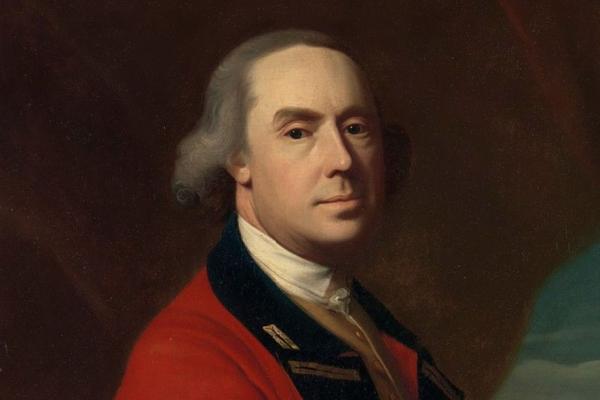
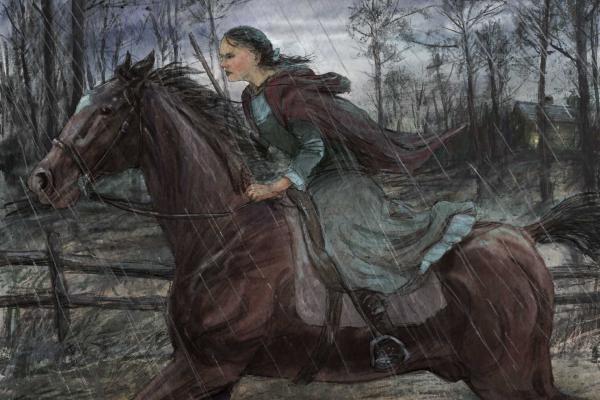
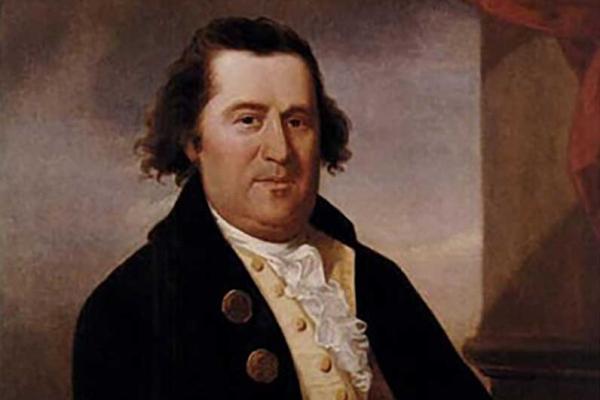
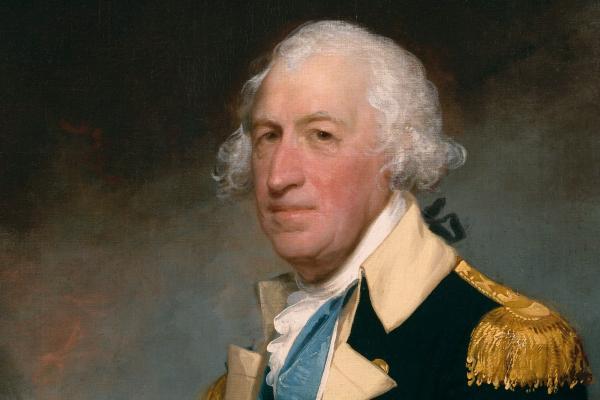
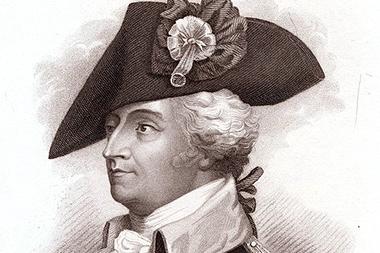
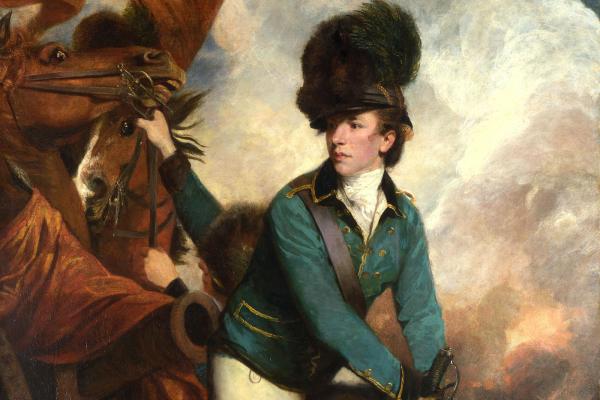
The Revolutionary War was a war unlike any other — one of ideas and ideals, that shaped “the course of human events. Explore the history and personalities from this pivotal time in American history.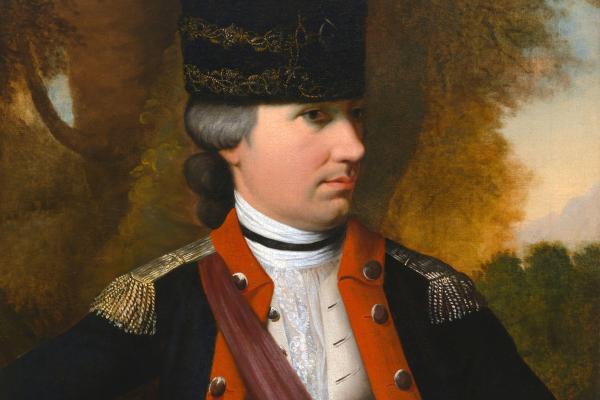
Charles Pinckney was born in Charleston, South Carolina on October 26, 1757. His father bore the same name and was a wealthy lawyer and planter.
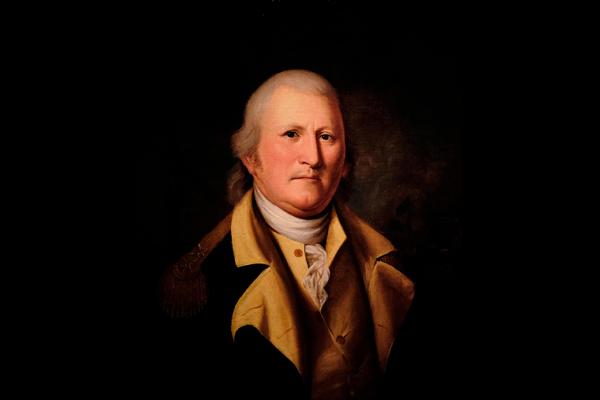
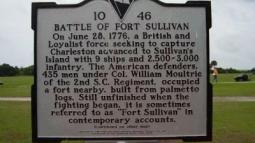
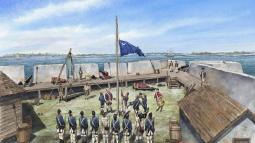
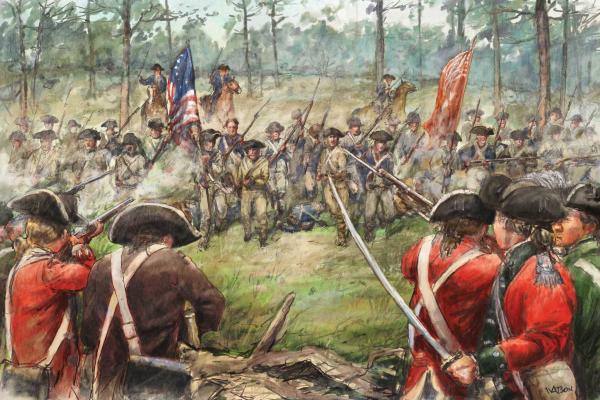
On June 28, 1776, the British attacked Sullivan’s Island. Against impossible odds and outnumbered 2,200 British troops to 435 soldiers within the fort, Moultrie successfully prevented land and sea invasions of Charleston. The British retreated to New York and would not return to South Carolina until 1780.
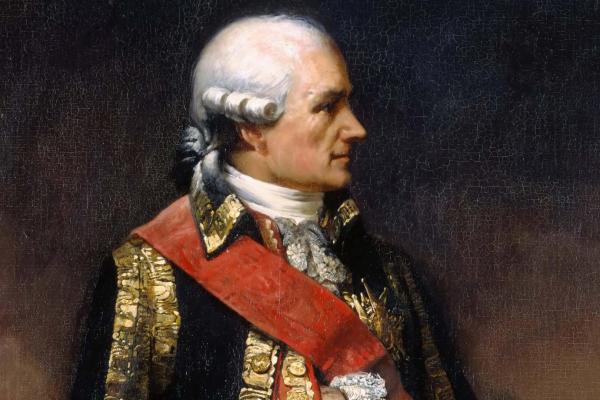
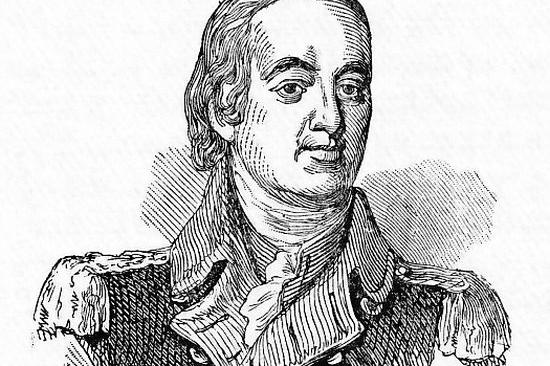
A career military officer under the French crown, the Comte de Rochambeau led 5,500 French troops to North America to aid in the Patriots' fight for independence from Britain.
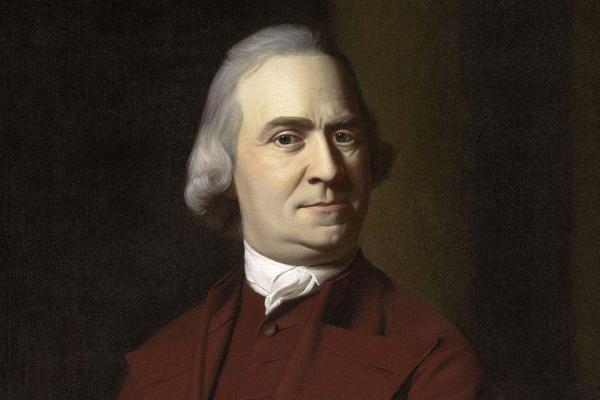
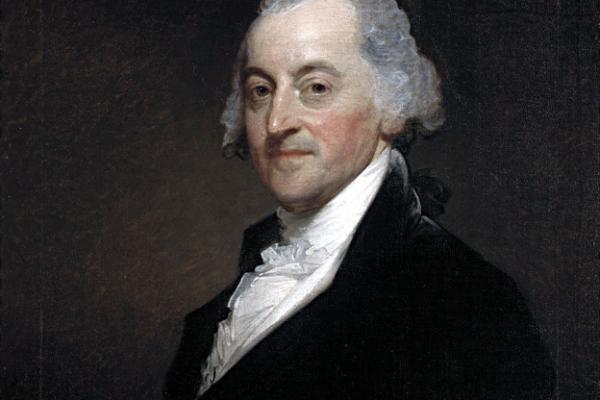
A passionate advocate for liberty, Adams rallied resistance to British rule, organized protests like the Boston Tea Party, and championed colonial rights. He later signed the Declaration of Independence and served as Massachusetts’ governor.