The Liberty Trail
- parking
- accessible_parking
- wheelchair_accessible
- restrooms
- wifi


- restrooms
- wheelchair_accessible
- parking
- accessible_parking
- wheelchair_accessible
- restrooms


- parking
- accessible_parking
- wheelchair_accessible
- restrooms
- parking
- accessible_parking
- wheelchair_accessible
- pet_friendly


- wifi
- parking
- restrooms
- wheelchair_accessible

- parking
- accessible_parking
- wheelchair_accessible
- pet_friendly
- parking
- accessible_parking
- wheelchair_accessible
- restrooms
- wifi
- parking
- restrooms
- pet_friendly

- parking
- accessible_parking
- wheelchair_accessible
- restrooms
- wifi
- parking
- accessible_parking
- wheelchair_accessible


- parking
- restrooms
- wheelchair_accessible




- parking
- accessible_parking
- restrooms
- pet_friendly

- parking
- accessible_parking
- wheelchair_accessible
- restrooms
- parking
- accessible_parking
- wheelchair_accessible
- restrooms
- wifi
- parking
- accessible_parking
- wheelchair_accessible
- restrooms
- wifi

- parking
- wheelchair_accessible
- restrooms
- pet_friendly


- parking
- restrooms
- wheelchair_accessible

































- parking
- accessible_parking
- restrooms
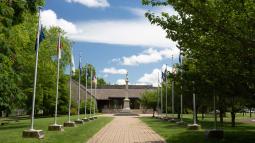
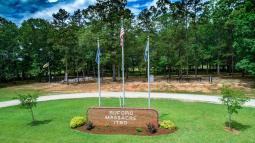
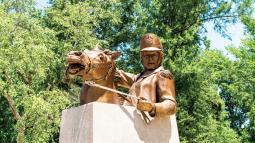

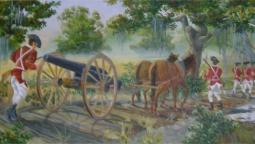
Explore the many guided tours of The Liberty Trail
This Day on the Liberty Trail
Uncovering History
We invite you to visit the preserved locations along the Liberty Trail and to immerse
yourself in the extraordinary events that determined the fate of a nation.
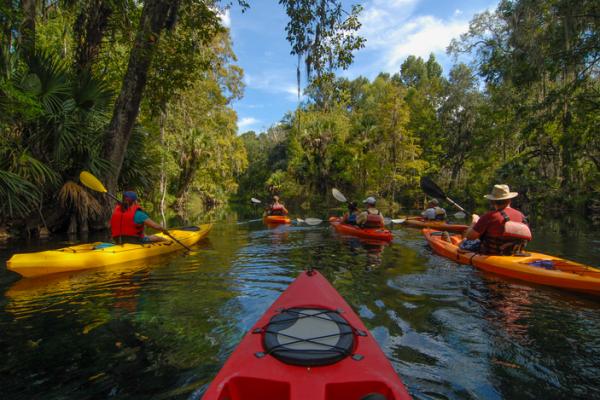
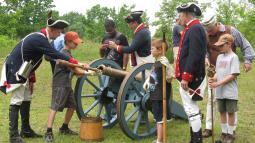
Family Friendly Adventures
Discover a part of our nation’s history at historic landmarks and events.
Liberty Trail History Makers
The Revolutionary War was a war unlike any other — one of ideas and ideals, that shaped “the course of human events. Explore the history and personalities from this pivotal time in American history.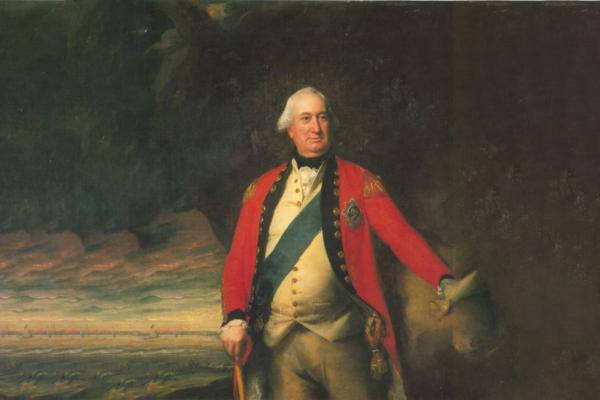
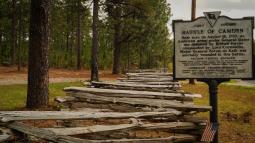
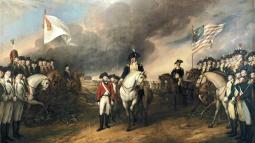
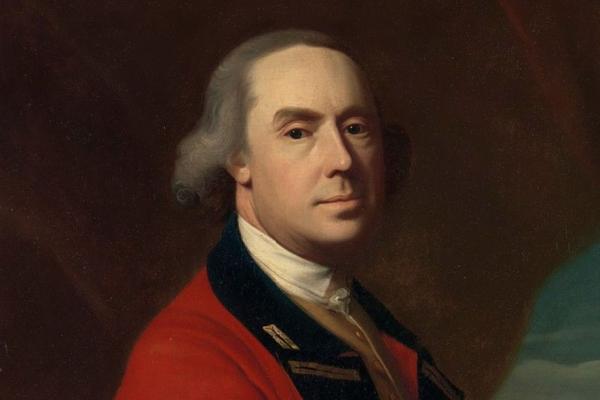
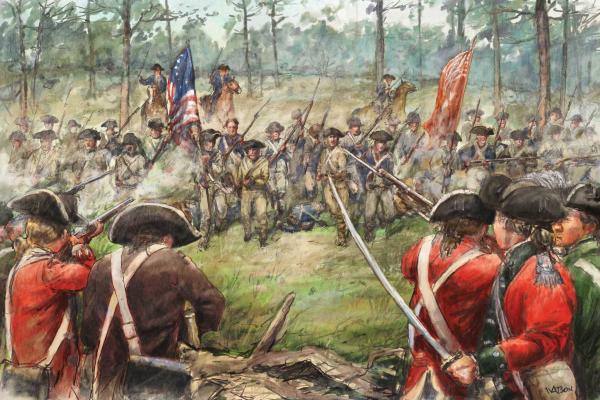
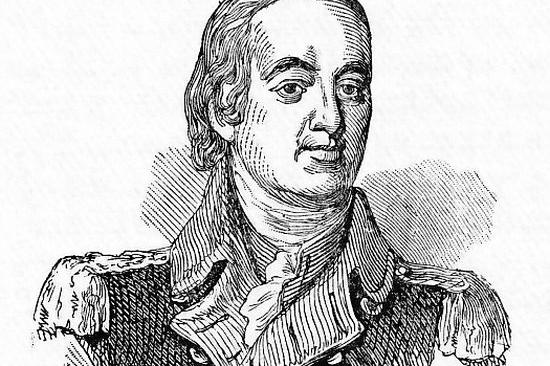
In 1779, after a stalemate in the north, Cornwallis went south as second in command to Sir Henry Clinton. Clinton captured Charleston in May 1780. Cornwallis pressed on to defeat General Horatio Gates at Camden, South Carolina, on August 16, 1780.
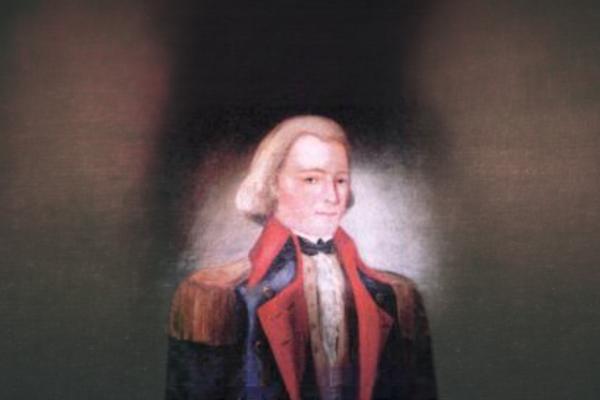
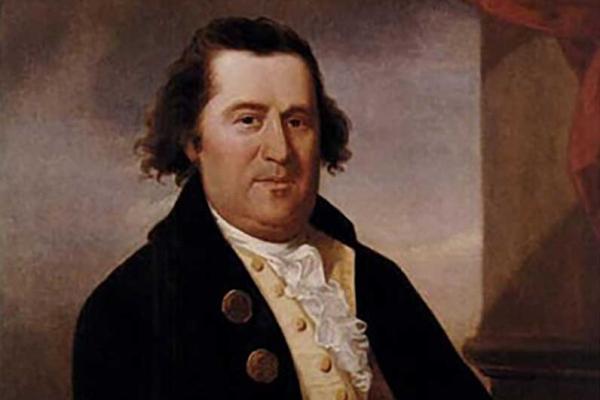
James Moore rose from a respected militia officer to a key Revolutionary leader, helping organize North Carolina’s resistance and contributing to the American victory at Battle of Moores Creek Bridge. Promoted to brigadier general, he died in 1777 remembered as one of the state’s most distinguished soldiers of the Revolution.
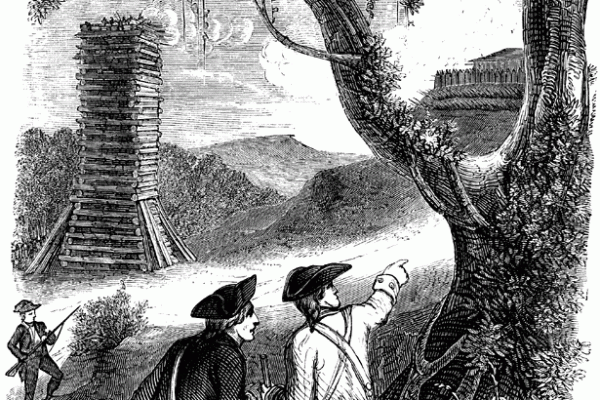
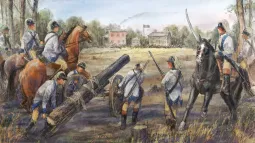
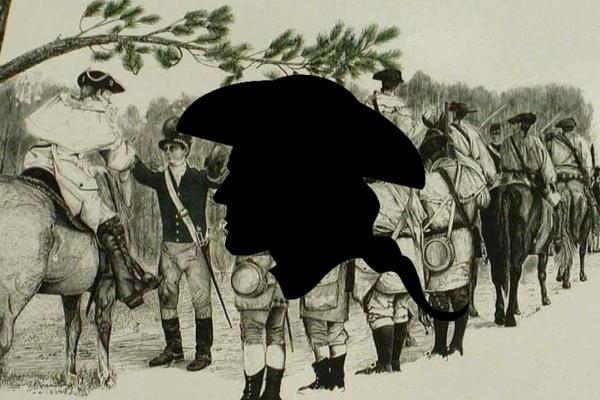
Hezekiah Maham, a South Carolina planter and military officer, gained fame during the American Revolution for his innovative siege tactics and leadership of "Maham's Legion." Post-war, he served in politics but became controversial for refusing to pay debts and aggressively confronting a deputy.
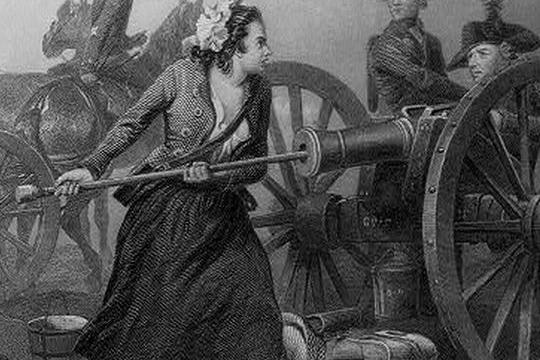
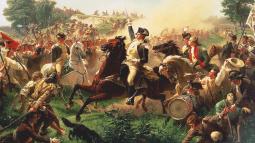
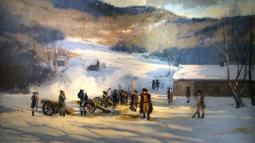
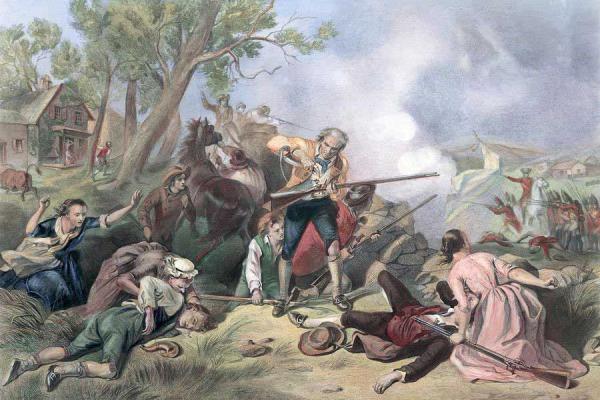
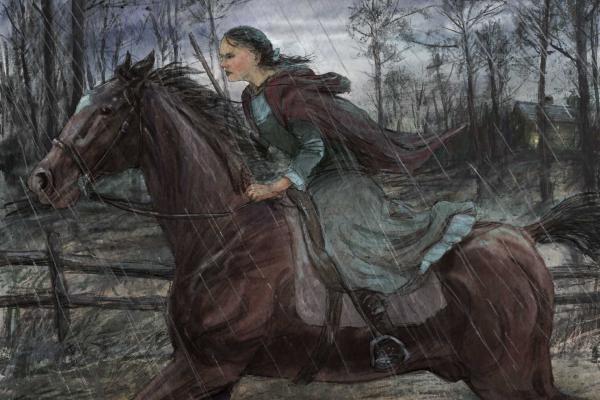
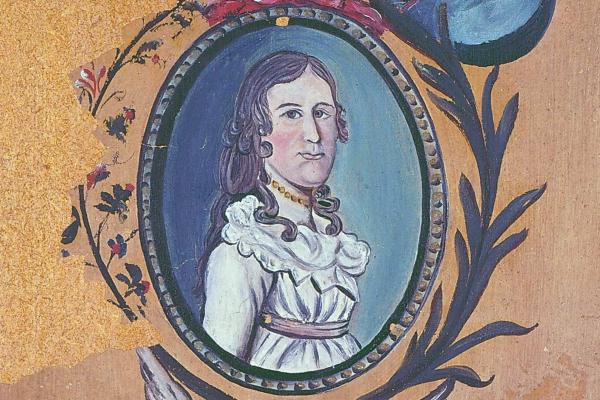
Molly Pitcher remains more legend than fact, but Mary Ludwig Hays closely matches the most famous tale of her bravery. From carrying water on the battlefield to manning a cannon at Monmouth, her story symbolizes the overlooked contributions of women in the American Revolution.