
The Liberty Trail


- parking
- accessible_parking
- wheelchair_accessible
- restrooms
- wifi











- restrooms
- wheelchair_accessible

- parking
- accessible_parking
- wheelchair_accessible
- restrooms




- parking
- accessible_parking
- wheelchair_accessible
- restrooms




- parking
- accessible_parking
- wheelchair_accessible
- pet_friendly



- wifi
- parking
- restrooms
- wheelchair_accessible




- parking
- accessible_parking
- wheelchair_accessible
- pet_friendly





- parking
- accessible_parking
- wheelchair_accessible
- restrooms
- wifi

- parking
- restrooms
- pet_friendly

- parking
- accessible_parking
- wheelchair_accessible
- restrooms
- wifi



- parking
- accessible_parking
- wheelchair_accessible



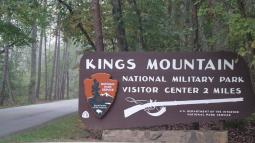
- parking
- restrooms
- wheelchair_accessible
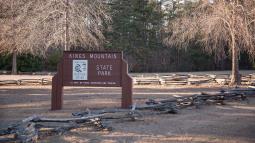
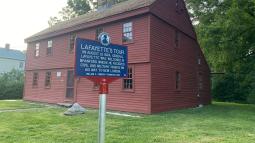



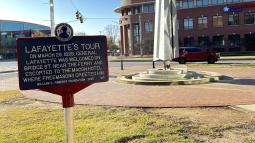




- parking
- accessible_parking
- restrooms
- pet_friendly

- parking
- accessible_parking
- wheelchair_accessible
- restrooms




- parking
- accessible_parking
- wheelchair_accessible
- restrooms
- wifi
- parking
- accessible_parking
- wheelchair_accessible
- restrooms
- wifi

- parking
- wheelchair_accessible
- restrooms
- pet_friendly








- parking
- restrooms
- wheelchair_accessible











































- parking
- accessible_parking
- restrooms
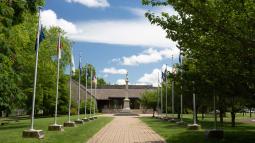

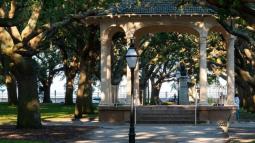
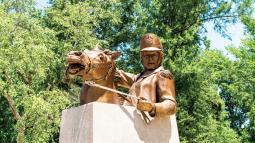

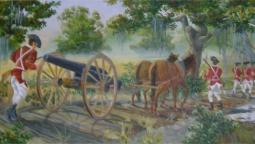
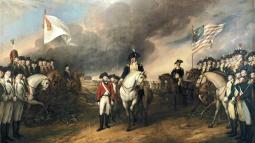
Explore the many guided tours of The Liberty Trail
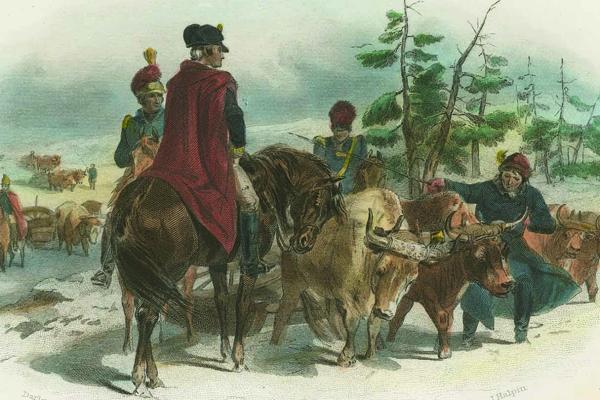
This Day on the Liberty Trail

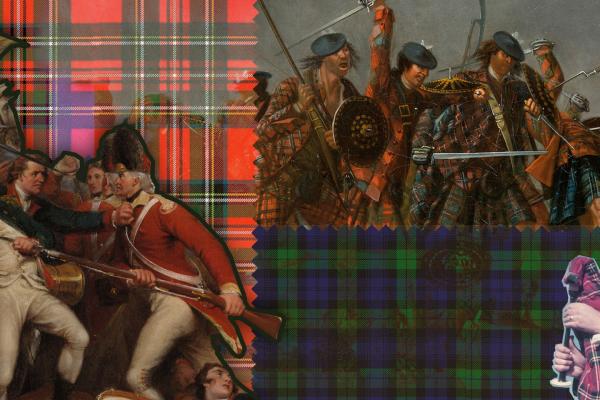
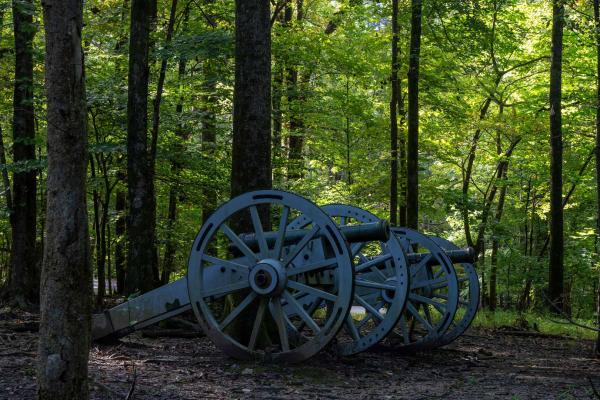
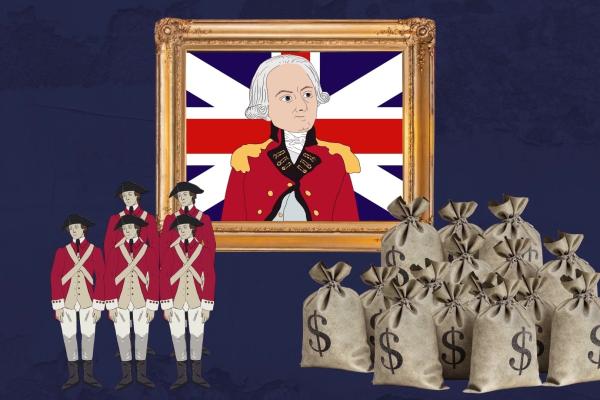

Uncovering History
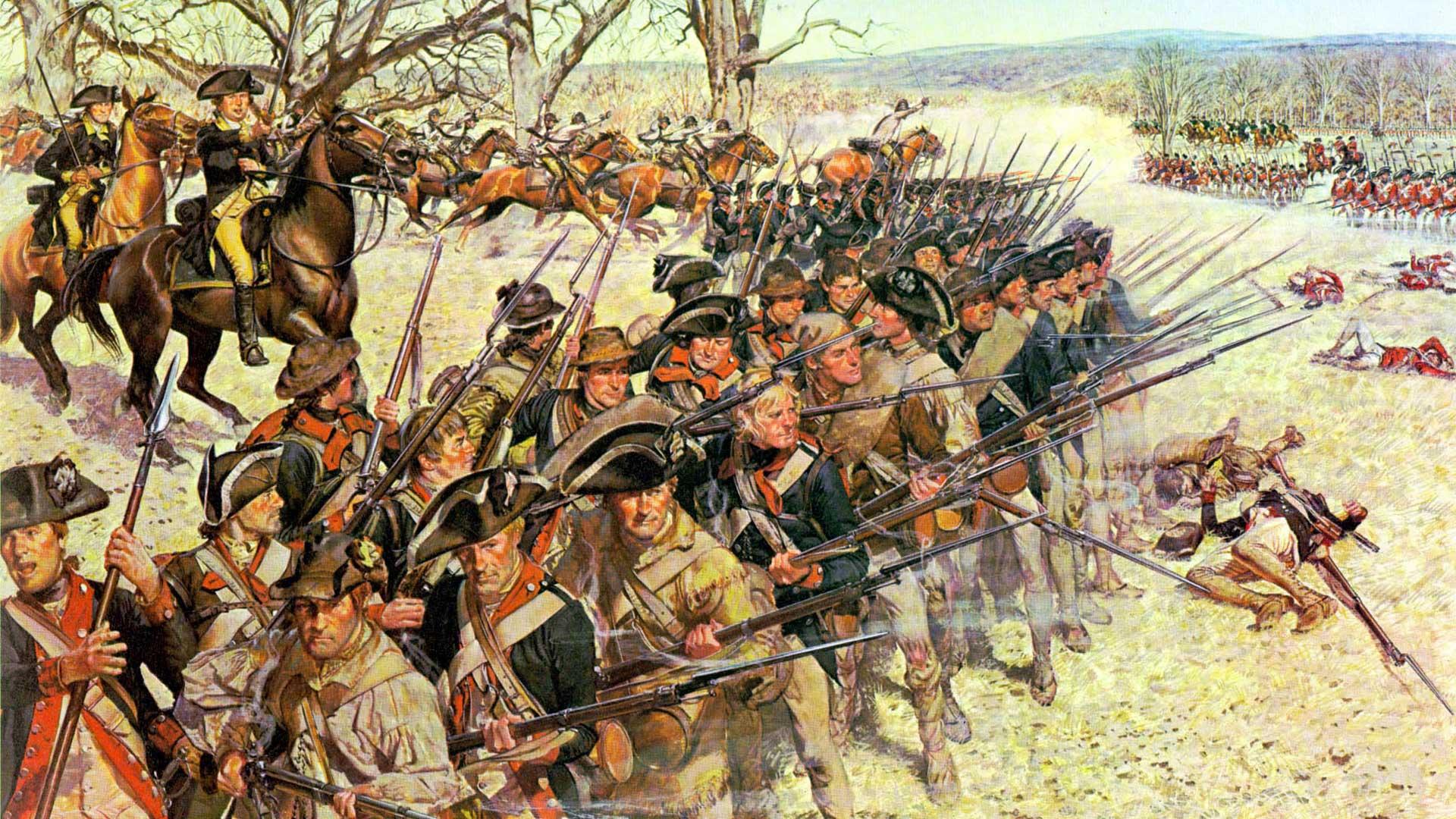
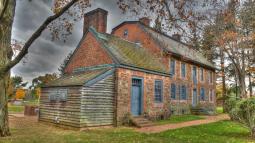
We invite you to visit the preserved locations along the Liberty Trail and to immerse
yourself in the extraordinary events that determined the fate of a nation.
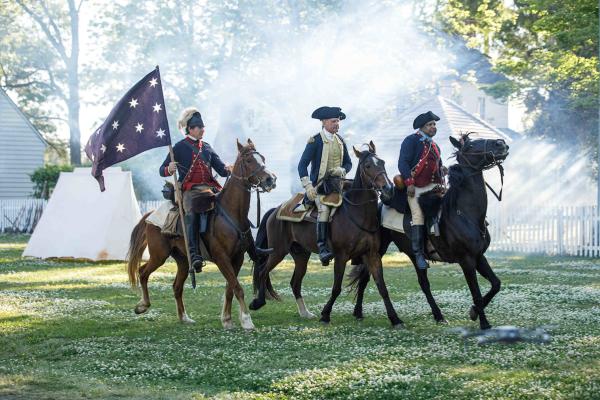
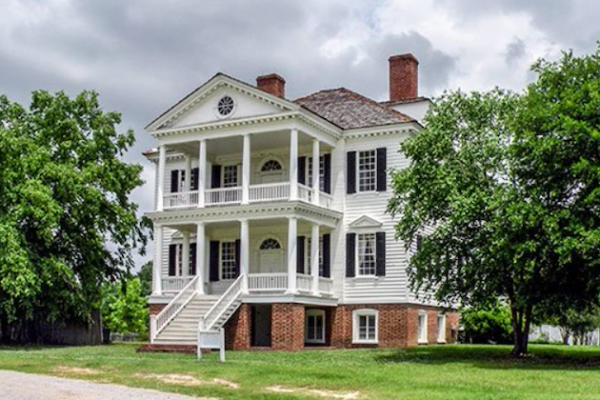



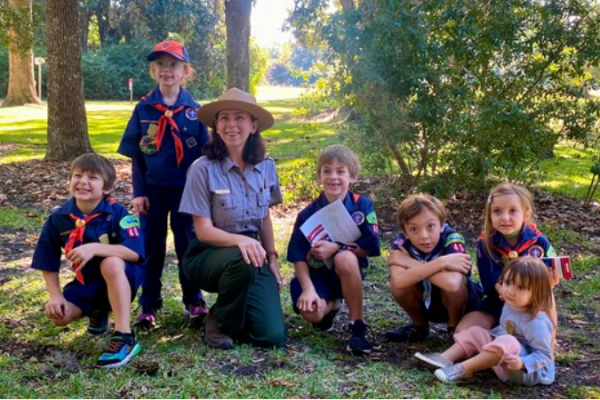
Family Friendly Adventures
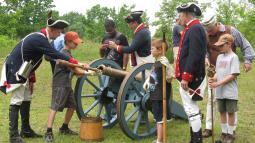
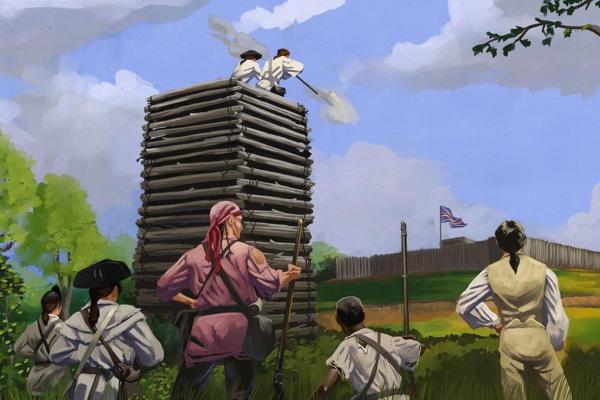
Discover a part of our nation’s history at historic landmarks and events.


Liberty Trail History Makers
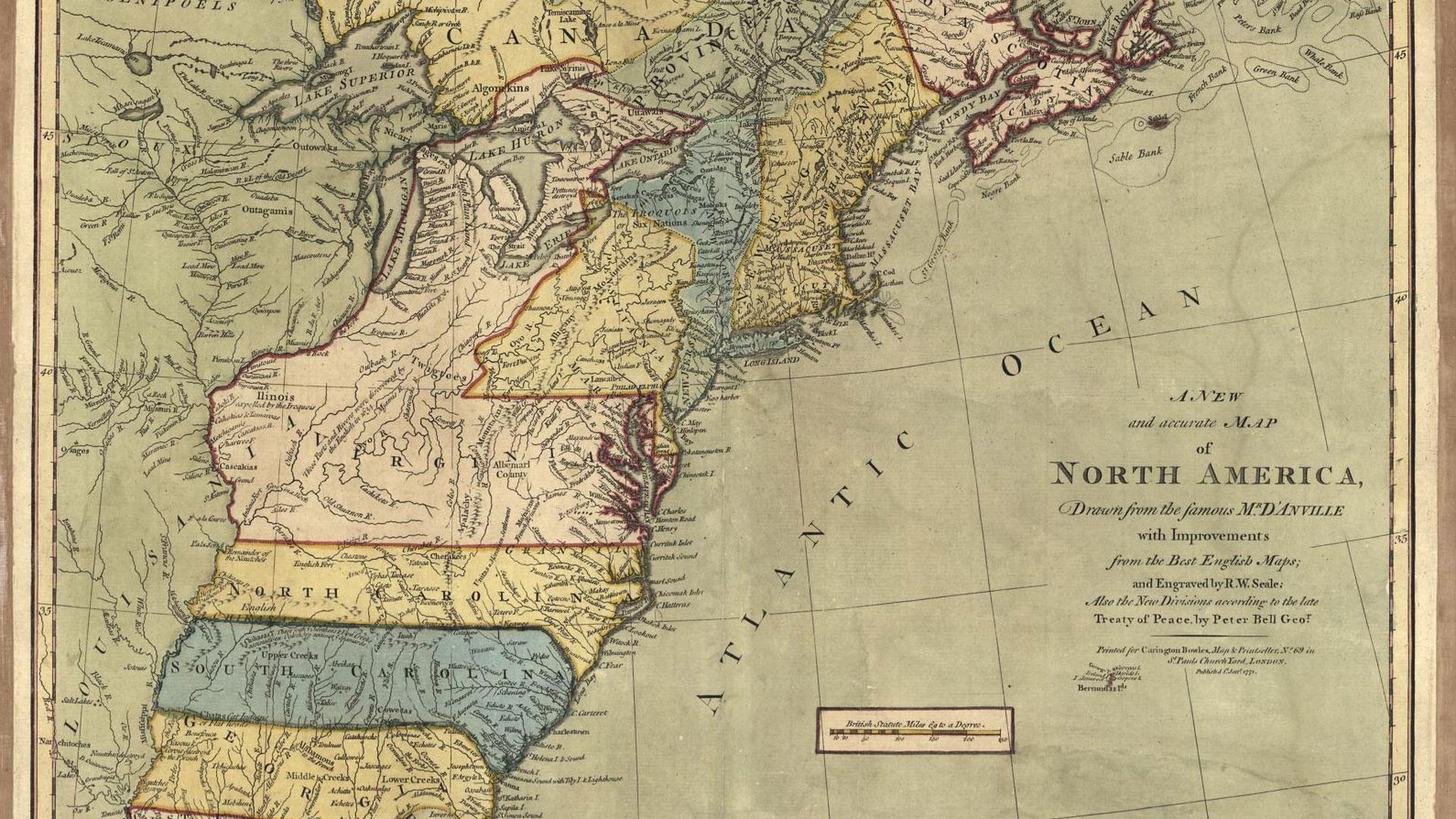
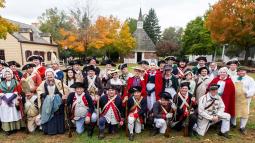
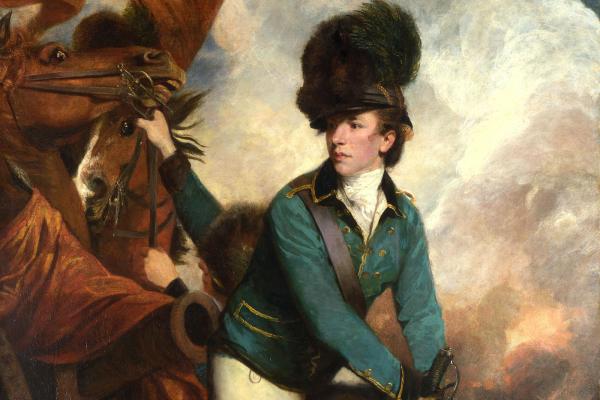
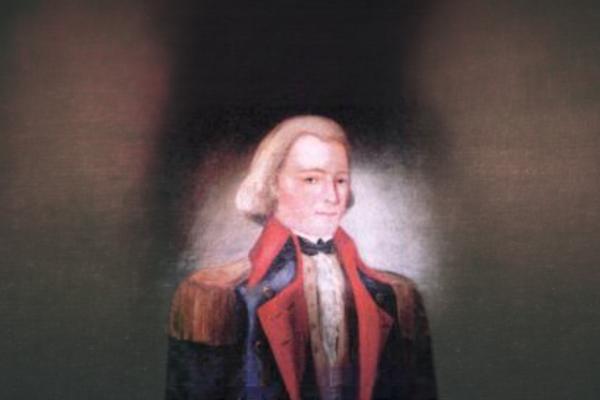
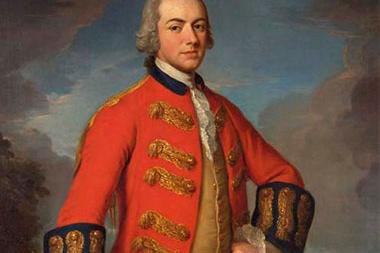
The Revolutionary War was a war unlike any other — one of ideas and ideals, that shaped “the course of human events. Explore the history and personalities from this pivotal time in American history.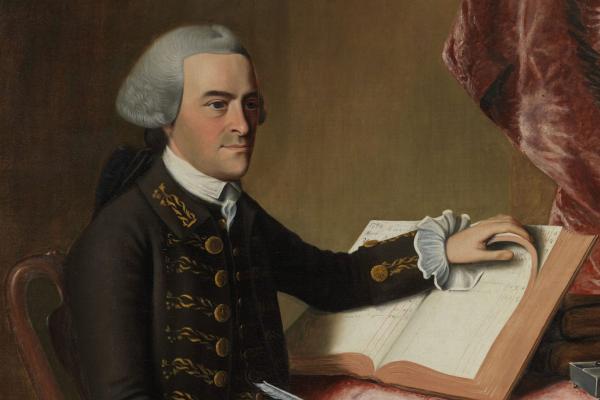
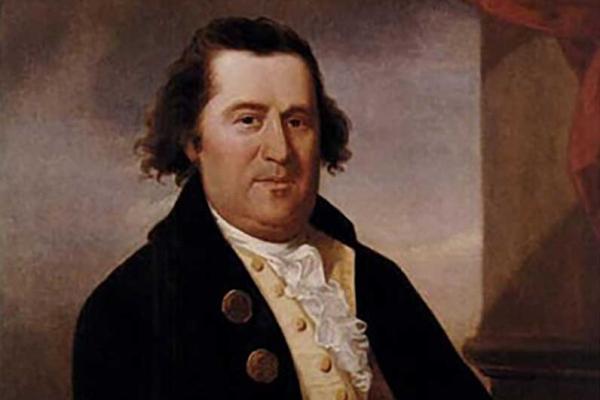
A wealthy merchant and political leader from Massachusetts, Hancock was a key figure in the American Revolution, serving as president of the Second Continental Congress, signing the Declaration of Independence, and later serving as governor of Massachusetts.
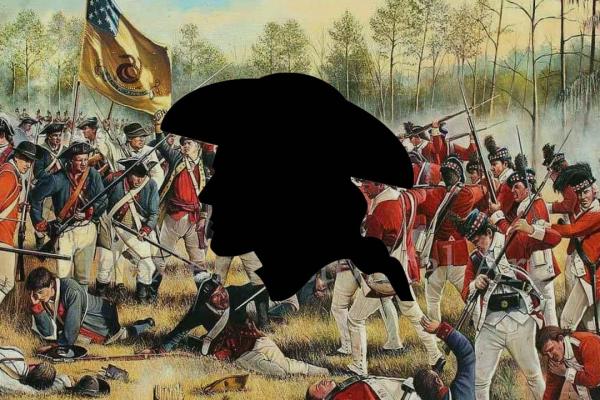
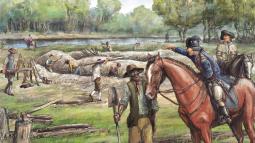
Son of prominent leader John Baptista Ashe, John Ashe emerged as a leading Patriot in North Carolina, turning from crown loyalist to Revolutionary commander after colonial unrest and rising to brigadier general by 1776. Though defeated at Brier Creek and later captured when British forces overran Wilmington, Ashe died a prisoner of war in 1781 after contracting smallpox.
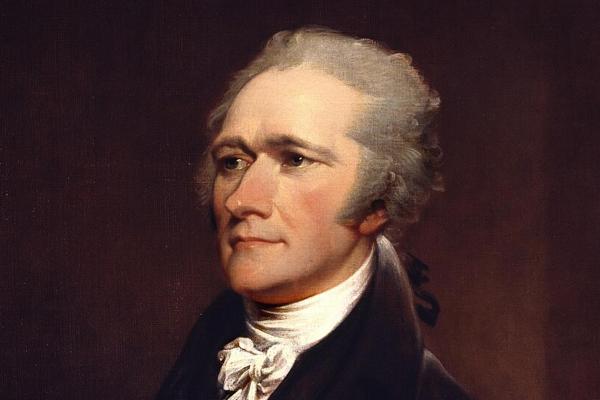
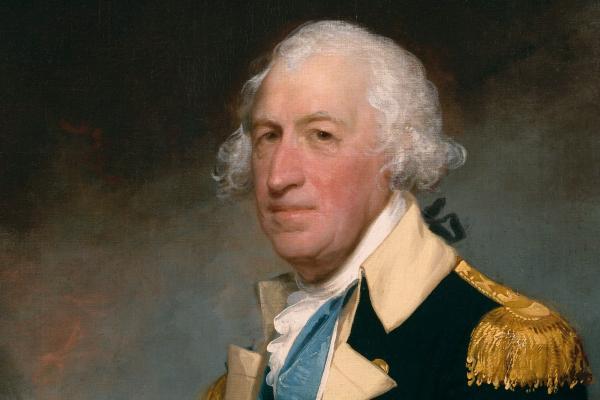
Alexander Hamilton, a Founding Father and the nation’s first Secretary of the Treasury, rose to prominence during the American Revolution as an artillery captain and later as a trusted aide-de-camp to General George Washington.
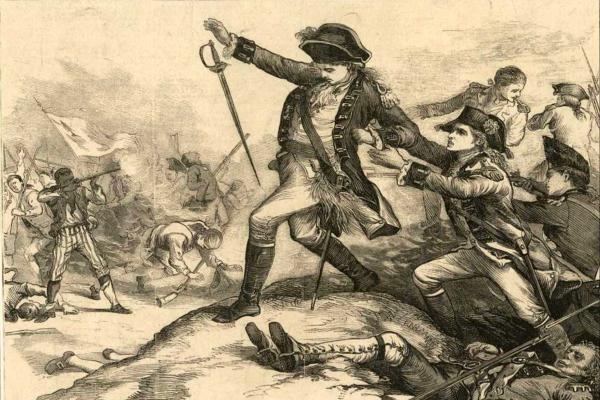
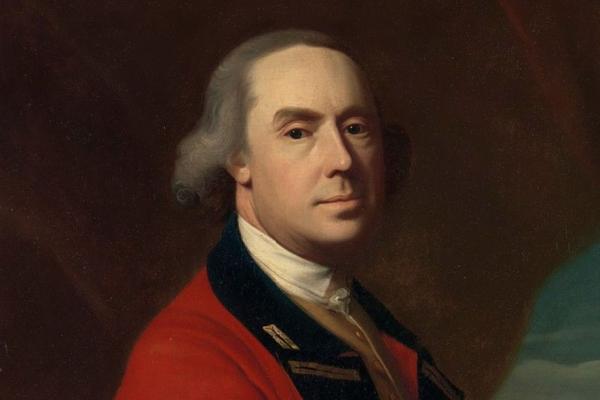
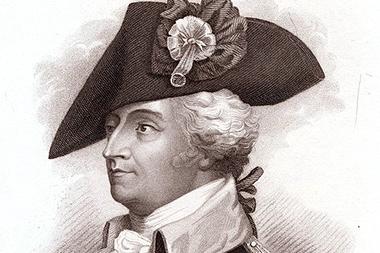
A British officer, Pitcairn led troops at Lexington and Concord, then commanded a reserve force at Bunker Hill. He was wounded multiple times during the battle and died later from his injuries.