The Liberty Trail
- parking
- accessible_parking
- wheelchair_accessible
- restrooms
- wifi


- restrooms
- wheelchair_accessible
- parking
- accessible_parking
- wheelchair_accessible
- restrooms

- parking
- accessible_parking
- wheelchair_accessible
- restrooms
- parking
- accessible_parking
- wheelchair_accessible
- pet_friendly


- wifi
- parking
- restrooms
- wheelchair_accessible


- parking
- accessible_parking
- wheelchair_accessible
- pet_friendly
- parking
- accessible_parking
- wheelchair_accessible
- restrooms
- wifi
- parking
- restrooms
- pet_friendly

- parking
- accessible_parking
- wheelchair_accessible
- restrooms
- wifi

- parking
- accessible_parking
- wheelchair_accessible


- parking
- restrooms
- wheelchair_accessible



- parking
- accessible_parking
- restrooms
- pet_friendly
- parking
- accessible_parking
- wheelchair_accessible
- restrooms
- parking
- accessible_parking
- wheelchair_accessible
- restrooms
- wifi
- parking
- accessible_parking
- wheelchair_accessible
- restrooms
- wifi
- parking
- wheelchair_accessible
- restrooms
- pet_friendly


- parking
- restrooms
- wheelchair_accessible




























- parking
- accessible_parking
- restrooms
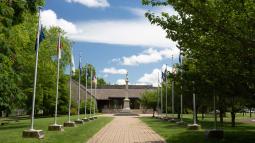
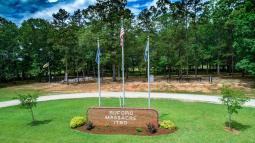
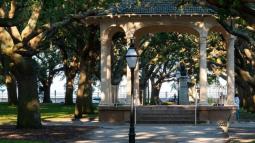
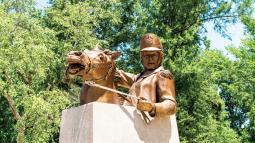

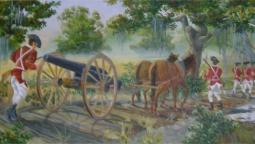
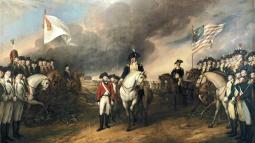
Explore the many guided tours of The Liberty Trail
This Day on the Liberty Trail
Uncovering History
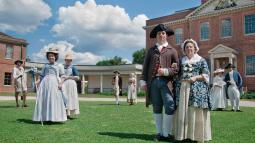
We invite you to visit the preserved locations along the Liberty Trail and to immerse
yourself in the extraordinary events that determined the fate of a nation.
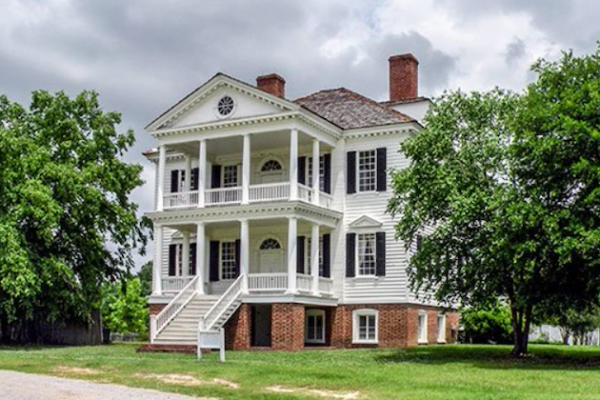
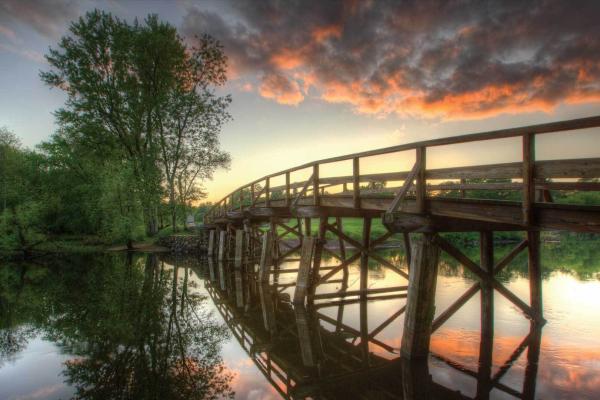
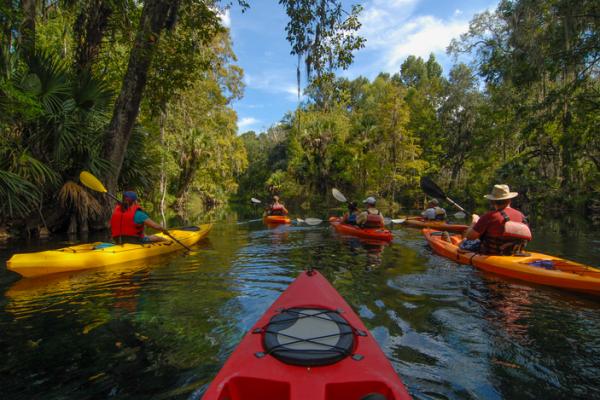
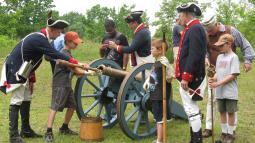
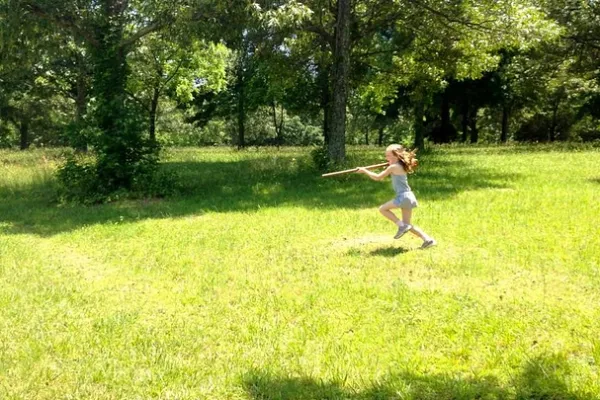
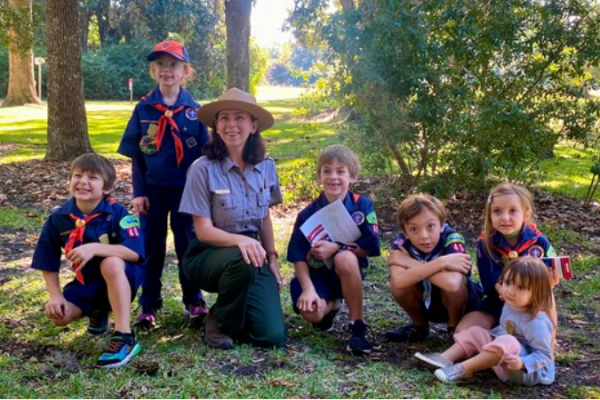
Family Friendly Adventures
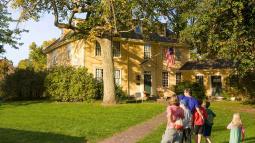
Discover a part of our nation’s history at historic landmarks and events.
Liberty Trail History Makers
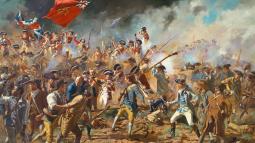
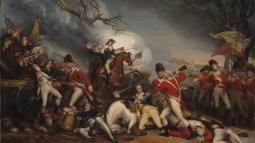
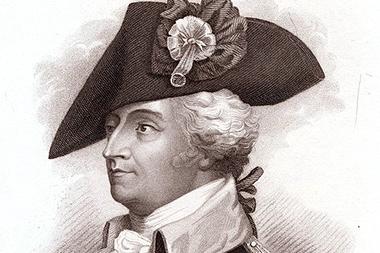
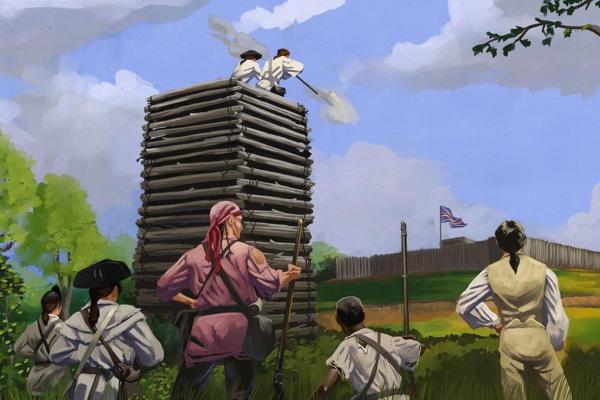
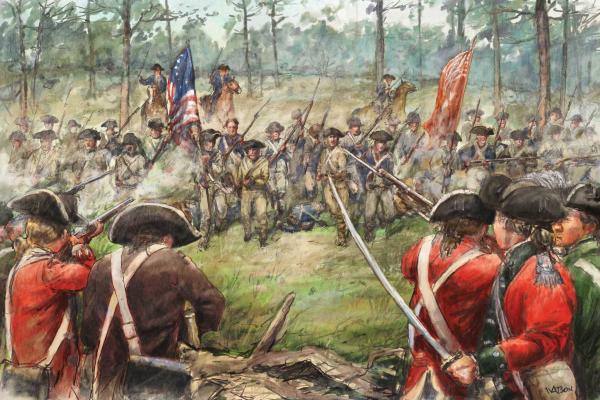
The Revolutionary War was a war unlike any other — one of ideas and ideals, that shaped “the course of human events. Explore the history and personalities from this pivotal time in American history.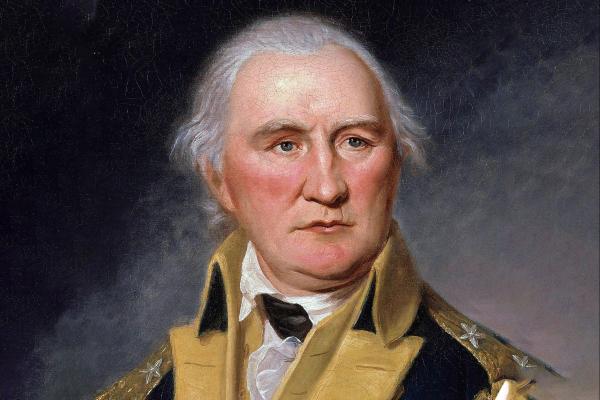
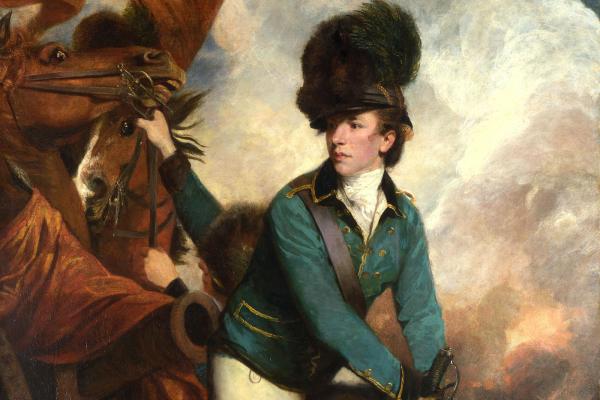
Morgan’s main adversary was British Lieutenant Colonel Banastre Tarleton. Tarleton and Morgan’s forces faced each other at Cowpens in South Carolina on January 17, 1781. Morgan emerged victorious and secured his reputation as a skilled military tactician.
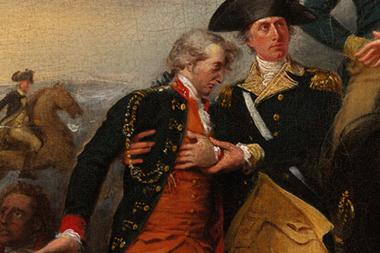
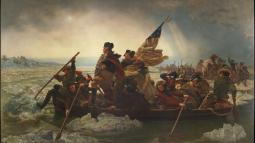
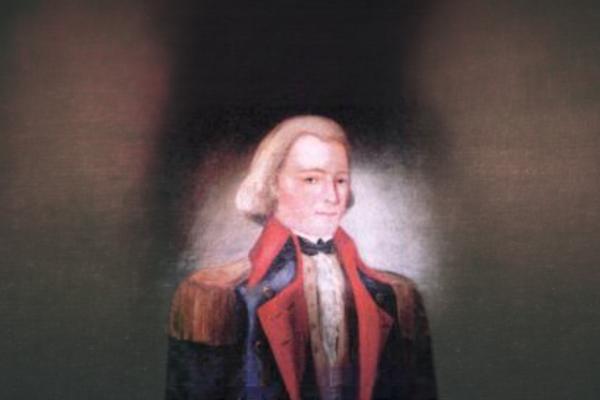
Johann Gottlieb Rall, a veteran German officer, commanded the Hessian garrison at Trenton despite concerns about its vulnerability. On December 26, 1776, Washington's surprise attack led to Rall’s mortal wounding and the capture of his troops.
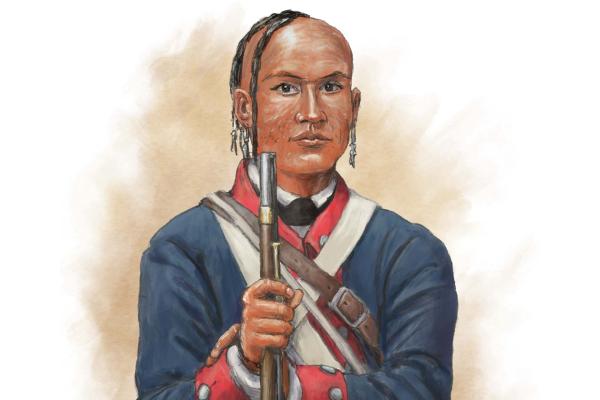
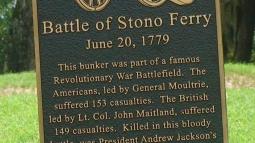
Peter Harris, a Catawba Indian who survived a devastating smallpox epidemic as a child, served bravely in the Continental Army during the American Revolution, fighting in key battles like Stono Ferry and Rocky Mount; despite his contributions, he later petitioned South Carolina for a pension, poignantly describing himself as "one of the lingering embers of an almost extinguished race," and was granted $60 a year just before his death in 1823.
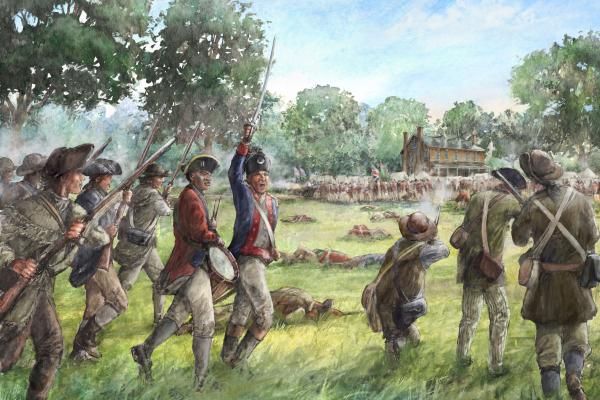
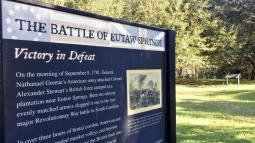
Jim Capers, a free African American who courageously served as a Drum Major during the American Revolution, survived brutal battles and close-quarters combat, including being severely wounded at Eutaw Springs. Capers spent his final years in Alabama, where his extraordinary contributions to the fight for independence went largely uncelebrated before his death at the age of 111 in 1853.