The Liberty Trail
- parking
- accessible_parking
- wheelchair_accessible
- restrooms
- wifi




- restrooms
- wheelchair_accessible
- parking
- accessible_parking
- wheelchair_accessible
- restrooms

- parking
- accessible_parking
- wheelchair_accessible
- restrooms
- parking
- accessible_parking
- wheelchair_accessible
- pet_friendly


- wifi
- parking
- restrooms
- wheelchair_accessible


- parking
- accessible_parking
- wheelchair_accessible
- pet_friendly

- parking
- accessible_parking
- wheelchair_accessible
- restrooms
- wifi
- parking
- restrooms
- pet_friendly

- parking
- accessible_parking
- wheelchair_accessible
- restrooms
- wifi


- parking
- accessible_parking
- wheelchair_accessible

- parking
- restrooms
- wheelchair_accessible
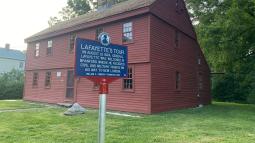
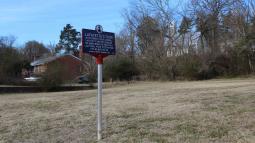
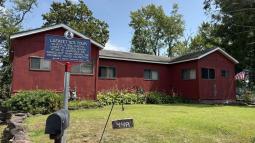
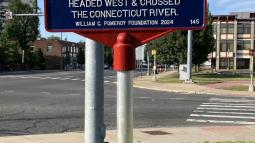




- parking
- accessible_parking
- restrooms
- pet_friendly

- parking
- accessible_parking
- wheelchair_accessible
- restrooms

- parking
- accessible_parking
- wheelchair_accessible
- restrooms
- wifi
- parking
- accessible_parking
- wheelchair_accessible
- restrooms
- wifi
- parking
- wheelchair_accessible
- restrooms
- pet_friendly



- parking
- restrooms
- wheelchair_accessible

































- parking
- accessible_parking
- restrooms
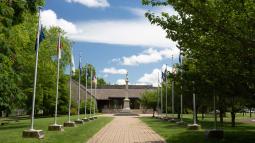
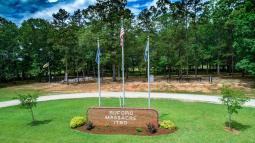
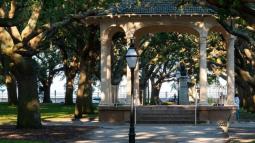
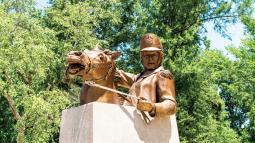

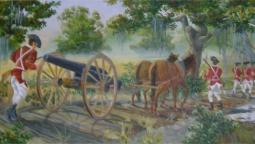
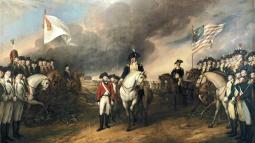
Explore the many guided tours of The Liberty Trail
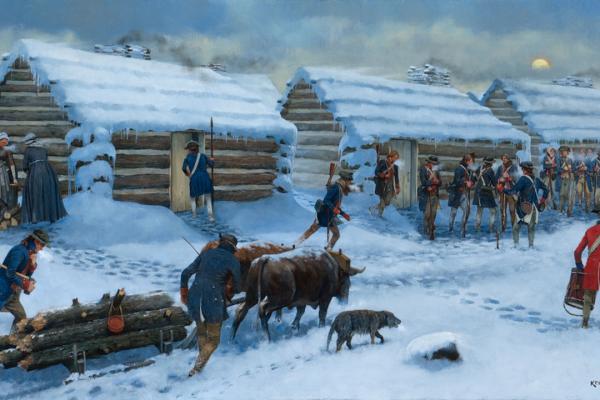

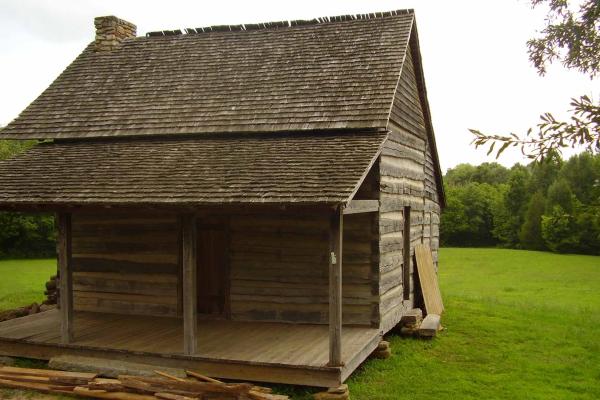
This Day on the Liberty Trail
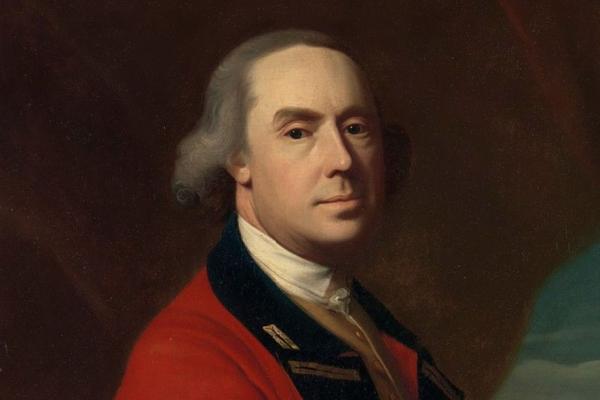
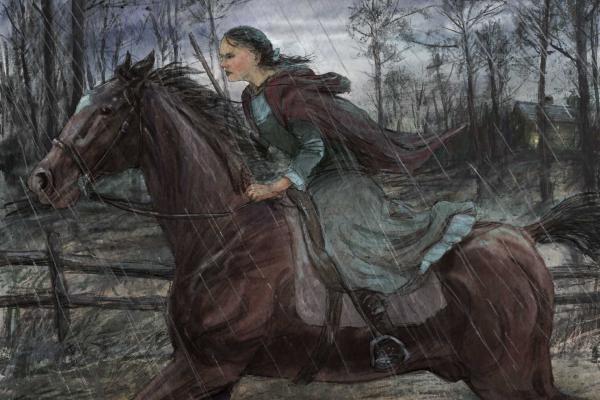
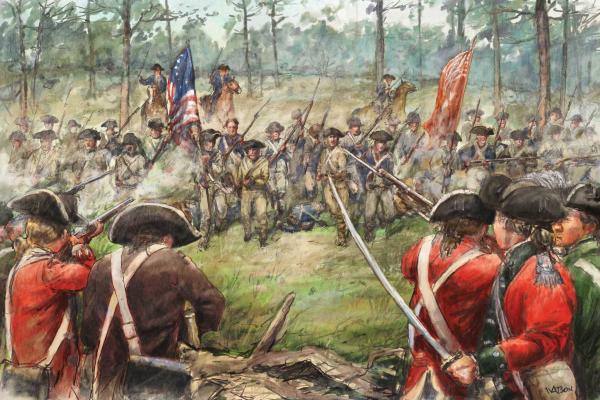
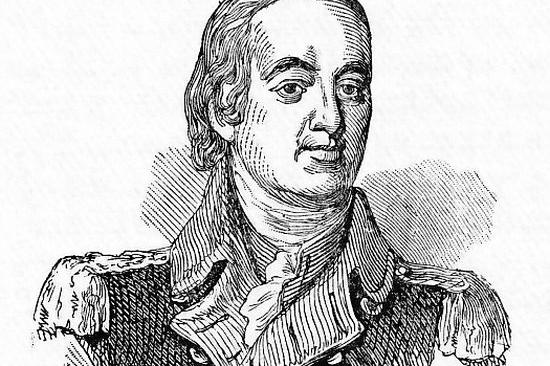
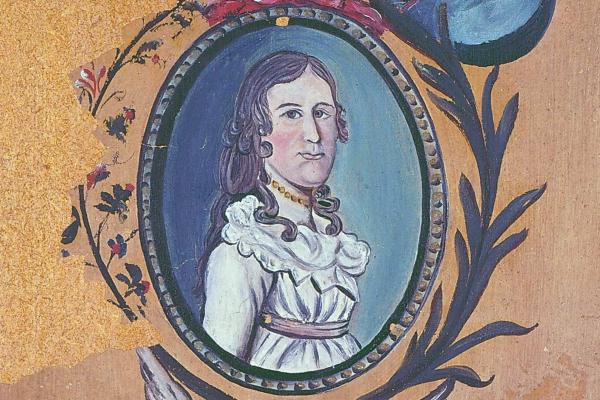
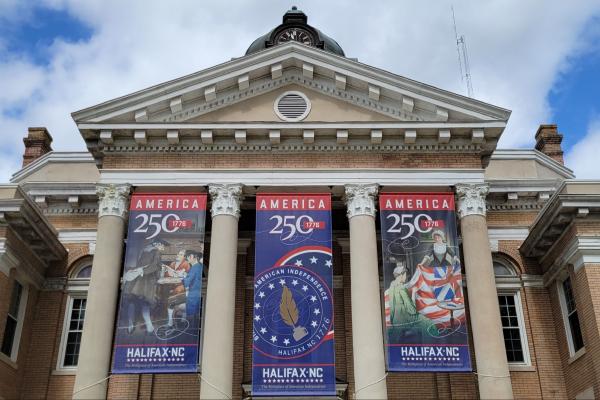
Uncovering History
We invite you to visit the preserved locations along the Liberty Trail and to immerse
yourself in the extraordinary events that determined the fate of a nation.
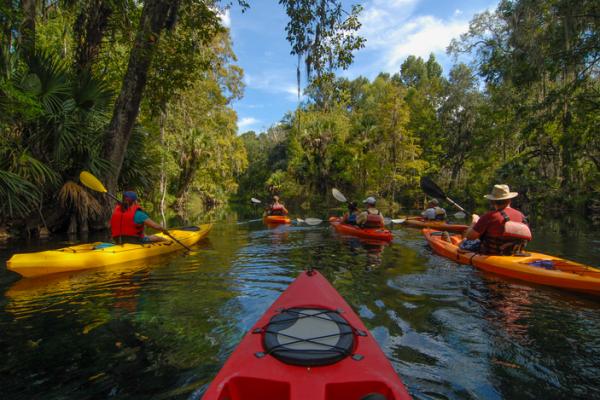
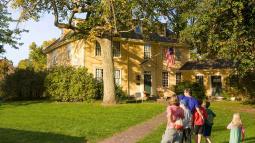
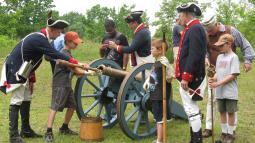
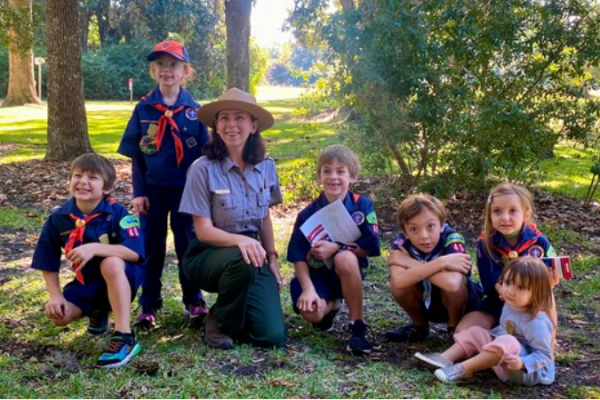
Family Friendly Adventures
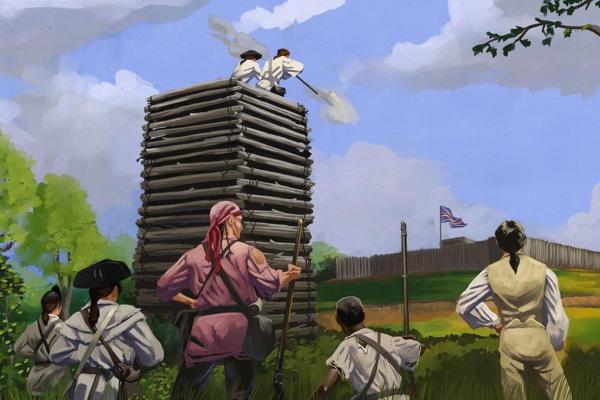
Discover a part of our nation’s history at historic landmarks and events.

Liberty Trail History Makers
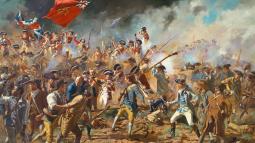
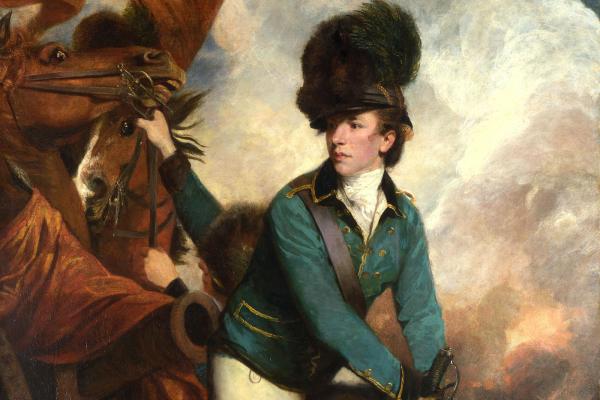
The Revolutionary War was a war unlike any other — one of ideas and ideals, that shaped “the course of human events. Explore the history and personalities from this pivotal time in American history.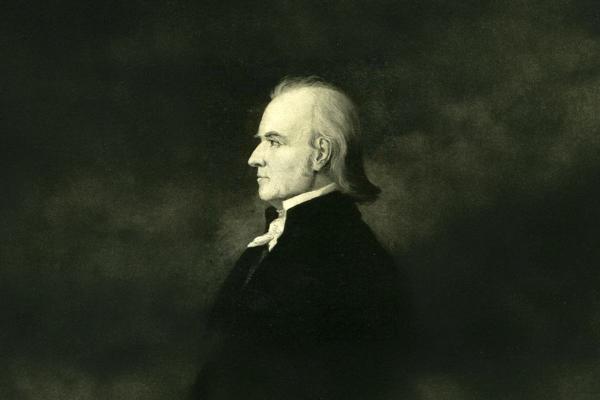
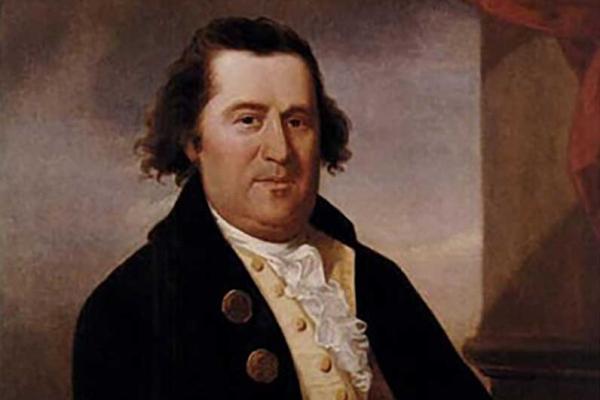
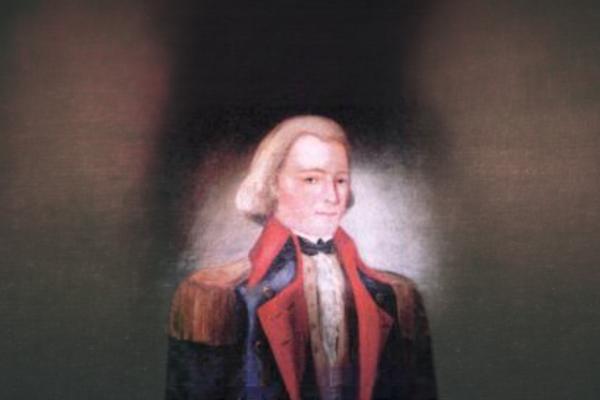
Frontier surveyor turned Patriot officer, William Lenoir carried the Revolution into North Carolina’s backcountry—fighting at Kings Mountain, surviving the chaos of Pyle’s Massacre, and emerging from war as one of Wilkes County’s most enduring civic leaders.
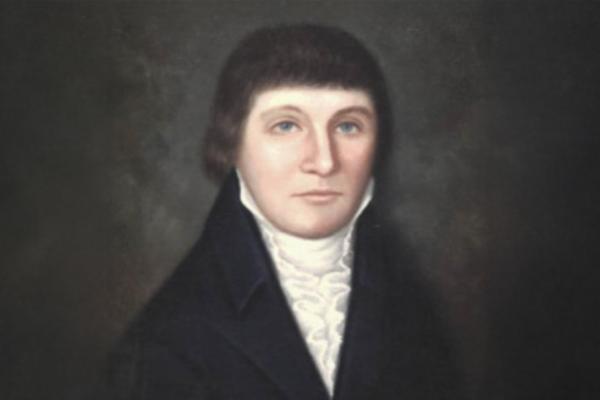
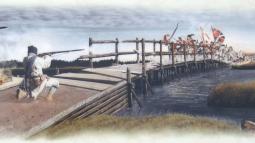
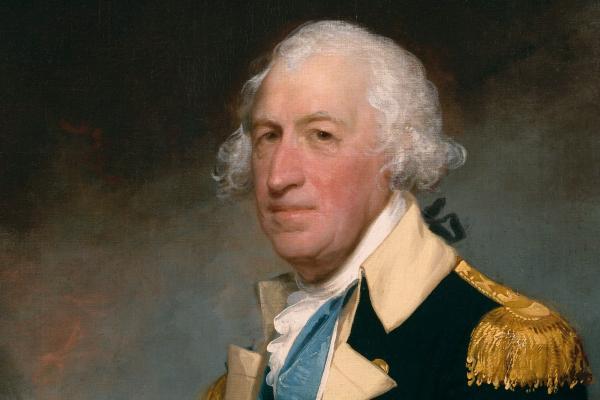
Once a lawyer and surveyor who fought for the royal governor at Alamance, Richard Caswell reinvented himself as a leading Patriot of the American Revolution. After commanding the decisive victory at Moore’s Creek Bridge, he rose to govern North Carolina and later served again despite suffering defeat with Gates’s army at Camden.
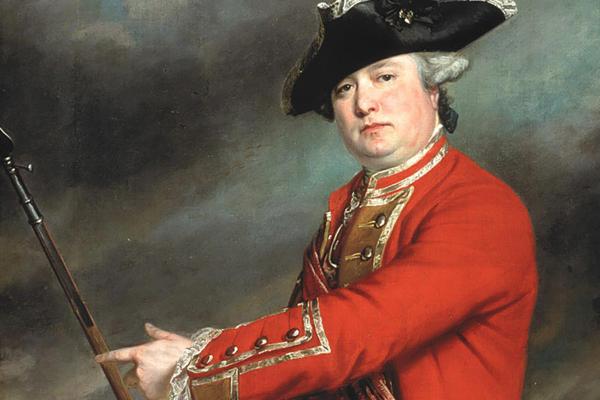
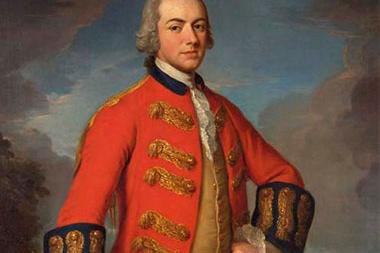
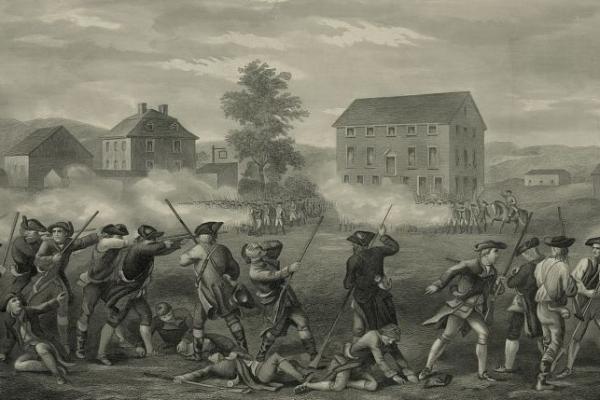
A British officer who led the troops during the April 1775 march to Lexington and Concord, Smith is remembered for commanding the British forces in the opening battles of the American Revolution, facing both praise and criticism for his actions.
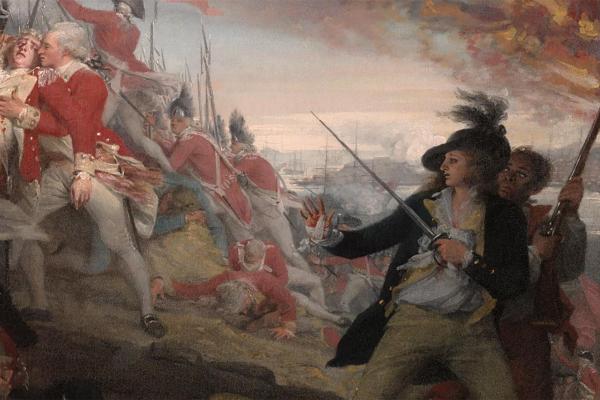
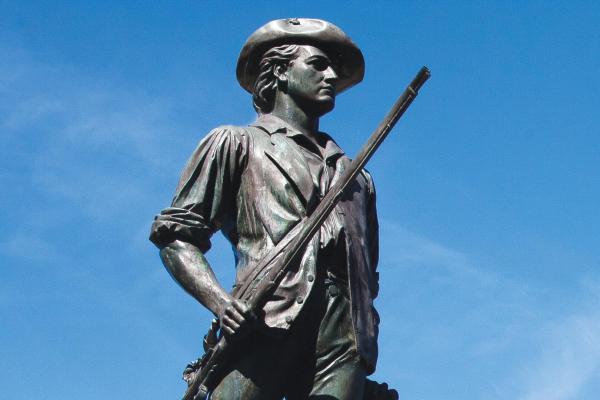
Peter Salem, an emancipated Black man who fought as a minuteman, is credited with a significant role in the Battle of Bunker Hill and later served in multiple campaigns during the Revolutionary War.