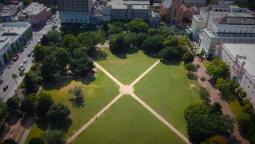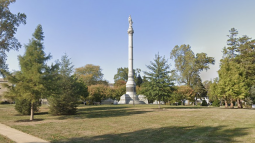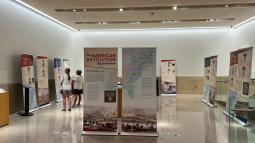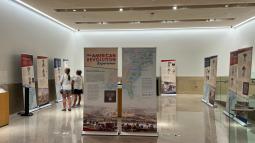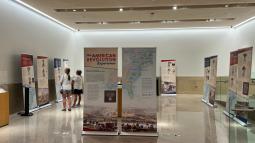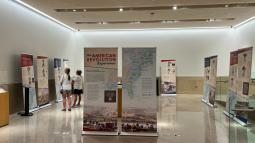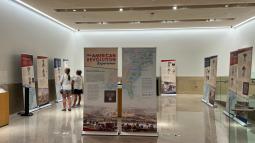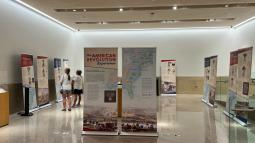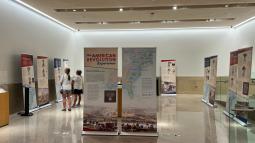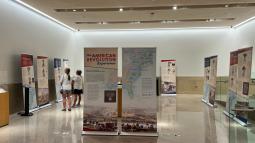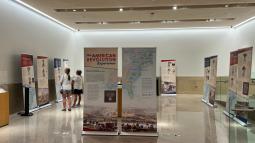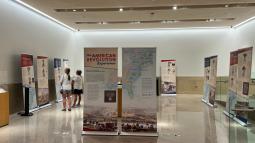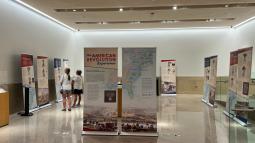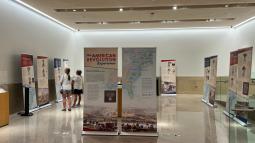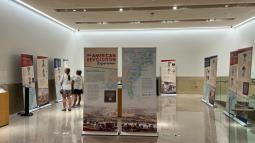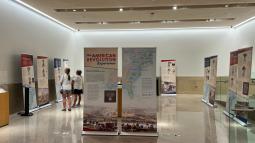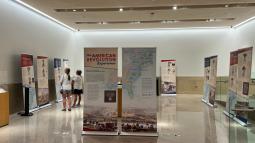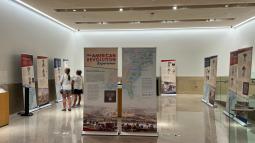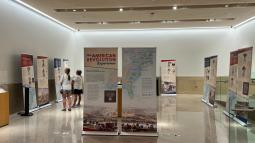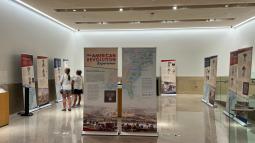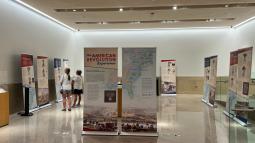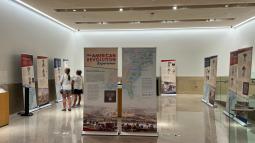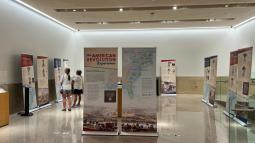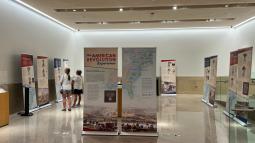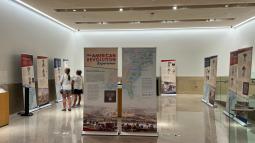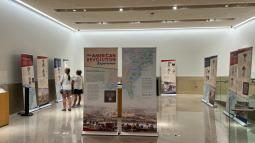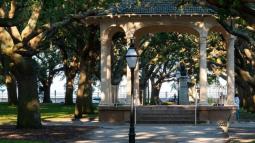
The Liberty Trail announces app and on-site binoculars in Charleston's Marion Square created through Anglo-American partnership
-
The BlogBiographies
-
Videos

The Liberty Trail announces app and on-site binoculars in Charleston's Marion Square created through Anglo-American partnership

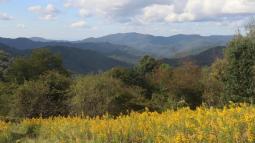
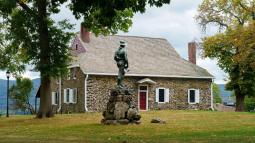
Explore the many guided tours of The Liberty Trail
We invite you to visit the preserved locations along the Liberty Trail and to immerse
yourself in the extraordinary events that determined the fate of a nation.
Discover a part of our nation’s history at historic landmarks and events.
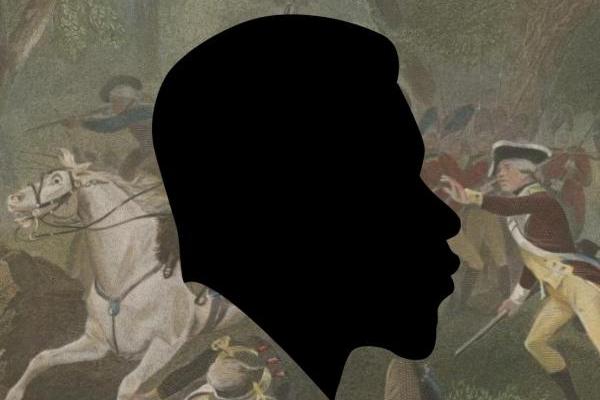
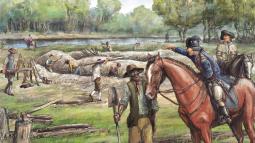
John Broddy, an enslaved aide to Colonel William Campbell during the American Revolution, fought alongside Campbell at Kings Mountain and was later emancipated in 1793 for his loyal service, living the remainder of his life in Virginia until his death in 1859.
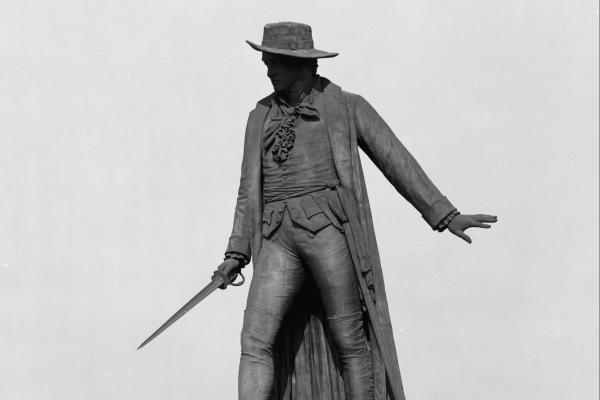
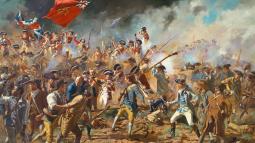
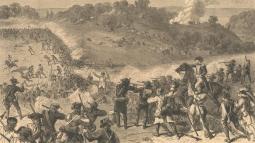
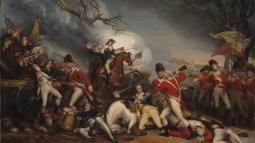
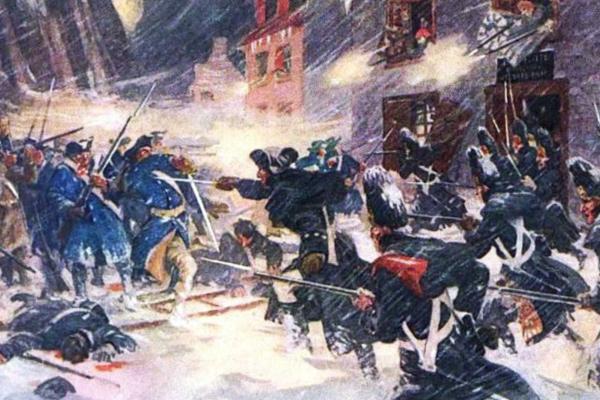
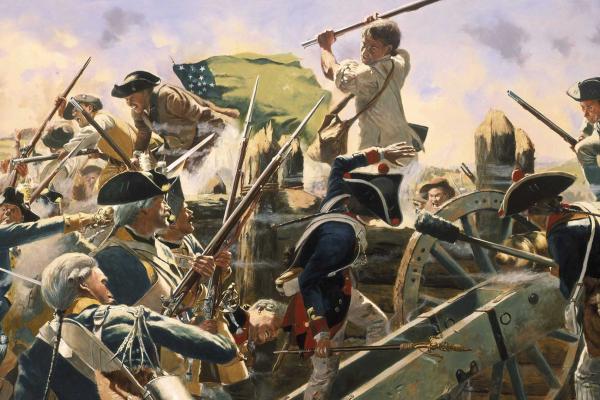
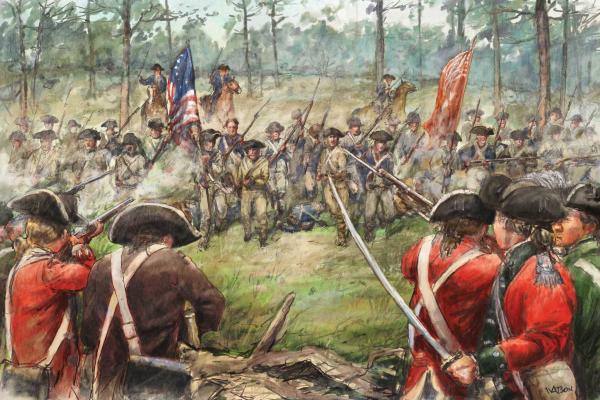
William Prescott led colonial forces at the Battle of Bunker Hill, where his strategic defense and command helped inflict heavy British casualties, despite ultimately being forced to retreat.
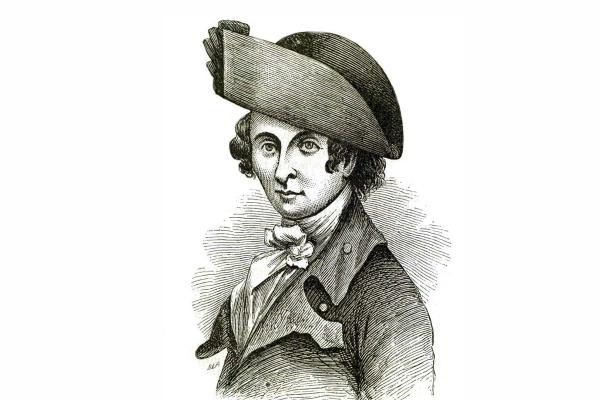
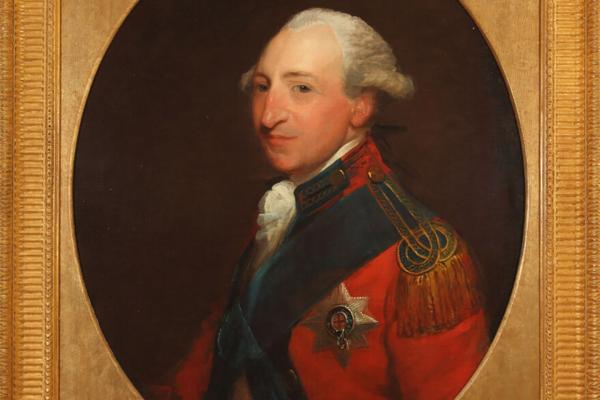
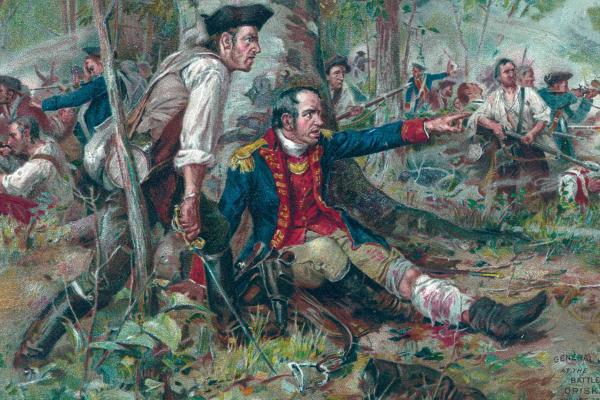
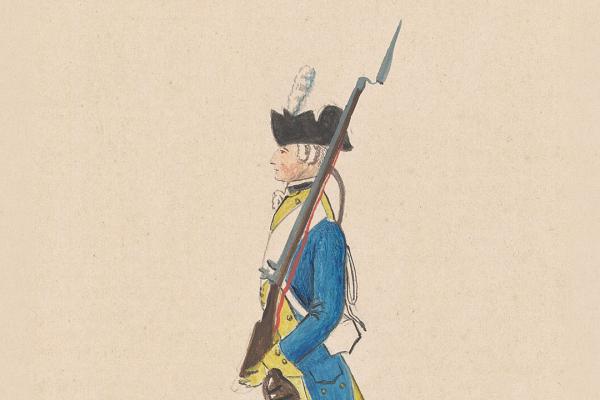
A veteran of the Seven Years' War, Barry St. Leger later committed himself to the British Crown again to put down rebellion in the northern theater of the Revolution.
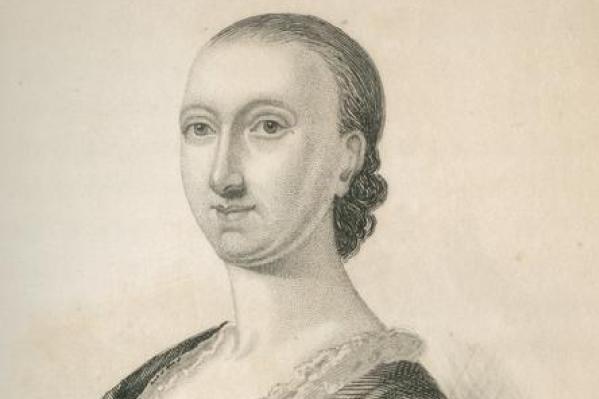
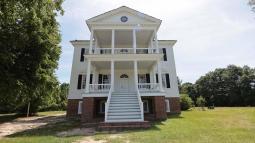
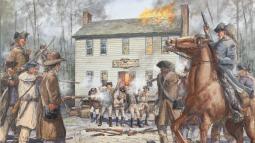
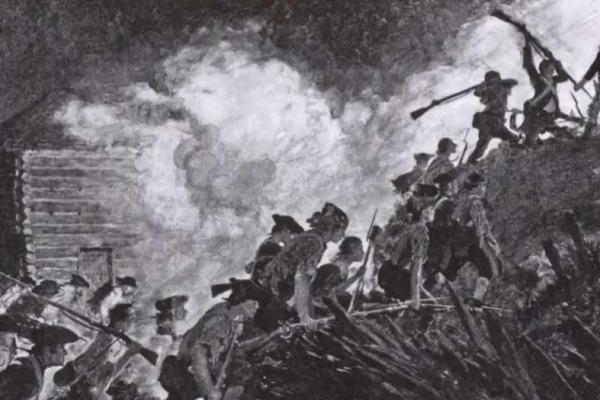
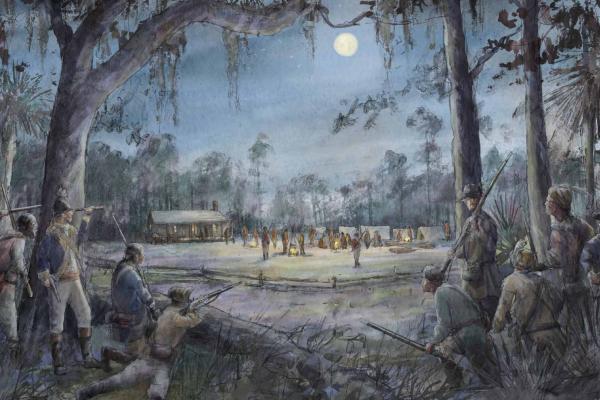
Rebecca Brewton Motte supported the Patriot cause by allowing her plantation to be used in a siege, even offering a bow to set her house on fire, which led to the British surrender at Fort Motte.