The Liberty Trail
- parking
- accessible_parking
- wheelchair_accessible
- restrooms
- wifi

- restrooms
- wheelchair_accessible
- parking
- accessible_parking
- wheelchair_accessible
- restrooms

- parking
- accessible_parking
- wheelchair_accessible
- restrooms
- parking
- accessible_parking
- wheelchair_accessible
- pet_friendly


- wifi
- parking
- restrooms
- wheelchair_accessible


- parking
- accessible_parking
- wheelchair_accessible
- pet_friendly
- parking
- accessible_parking
- wheelchair_accessible
- restrooms
- wifi
- parking
- restrooms
- pet_friendly

- parking
- accessible_parking
- wheelchair_accessible
- restrooms
- wifi
- parking
- accessible_parking
- wheelchair_accessible

- parking
- restrooms
- wheelchair_accessible



- parking
- accessible_parking
- restrooms
- pet_friendly
- parking
- accessible_parking
- wheelchair_accessible
- restrooms
- parking
- accessible_parking
- wheelchair_accessible
- restrooms
- wifi
- parking
- accessible_parking
- wheelchair_accessible
- restrooms
- wifi
- parking
- wheelchair_accessible
- restrooms
- pet_friendly

- parking
- restrooms
- wheelchair_accessible


























- parking
- accessible_parking
- restrooms
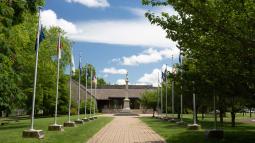
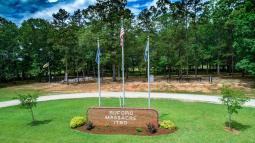
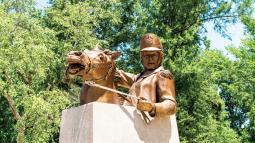

Explore the many guided tours of The Liberty Trail
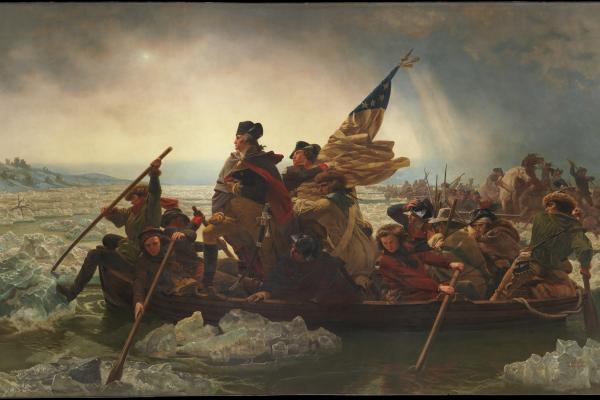
This Day on the Liberty Trail
Uncovering History
We invite you to visit the preserved locations along the Liberty Trail and to immerse
yourself in the extraordinary events that determined the fate of a nation.
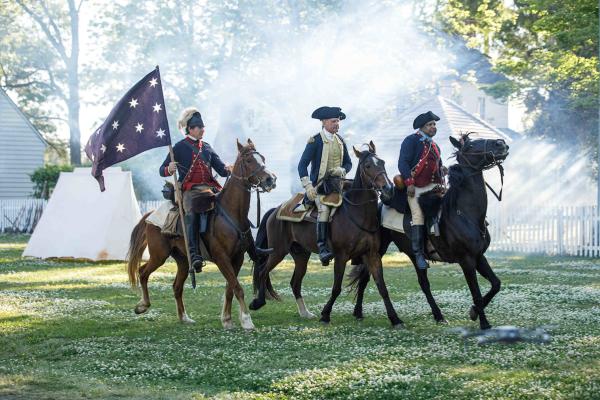
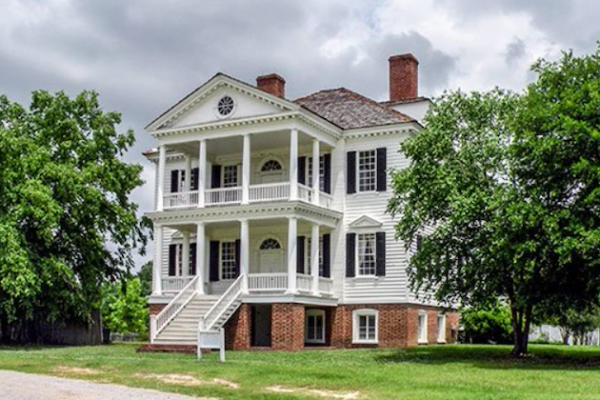
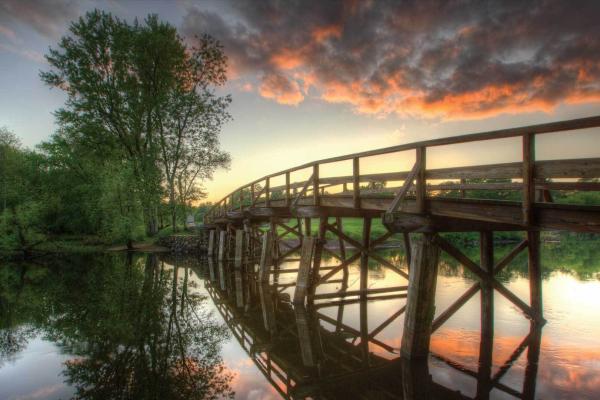
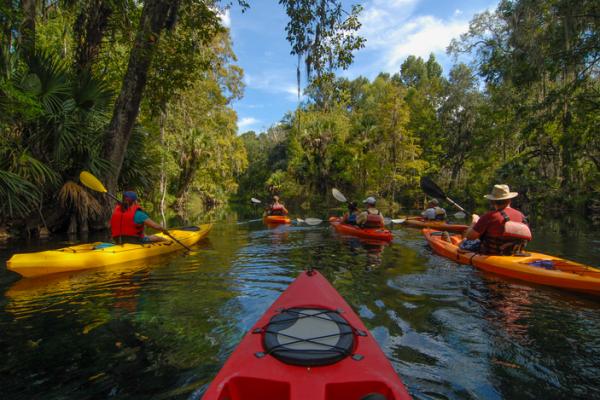
Family Friendly Adventures
Discover a part of our nation’s history at historic landmarks and events.


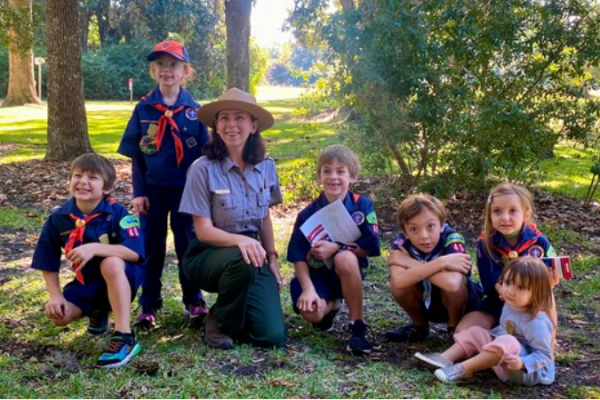
Liberty Trail History Makers
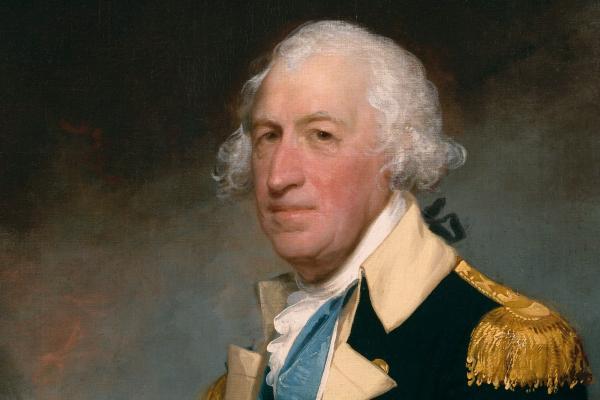
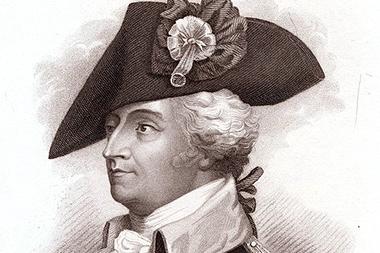
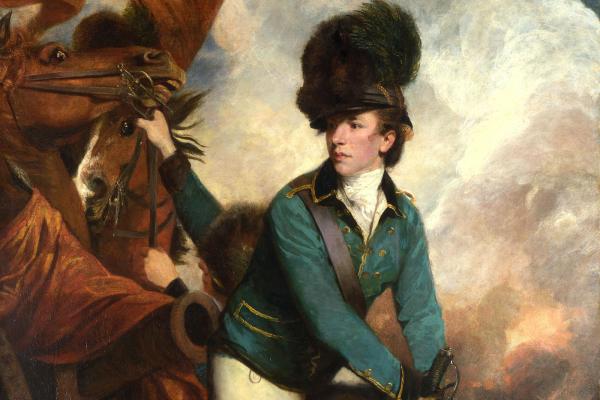
The Revolutionary War was a war unlike any other — one of ideas and ideals, that shaped “the course of human events. Explore the history and personalities from this pivotal time in American history.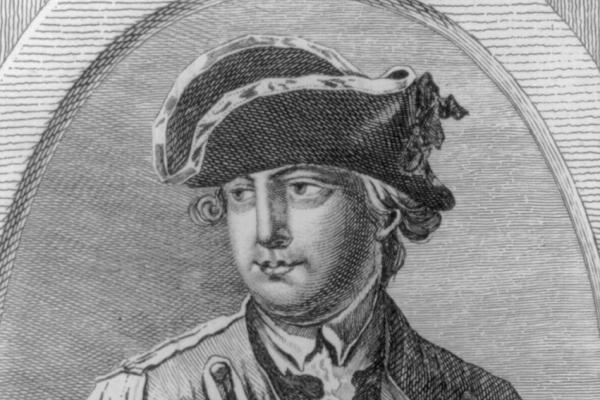
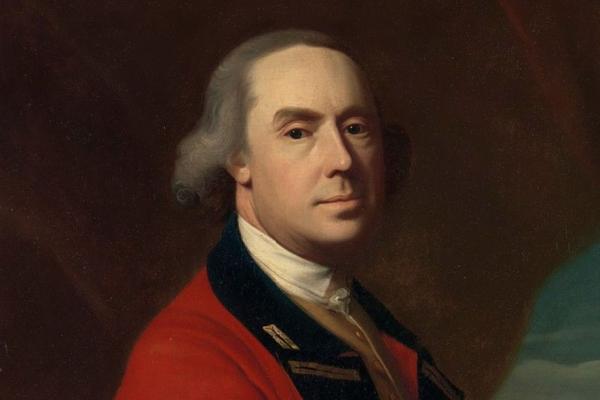
Charles Lee (February 6, 1732 - October 2, 1782) was a Major General in the American Revolutionary War. He was second-in-command to General George Washington, though he was known for his efforts to undermine General Washington. In 1780, Lee formally resigned from the Continental Army and retired to Philadelphia.
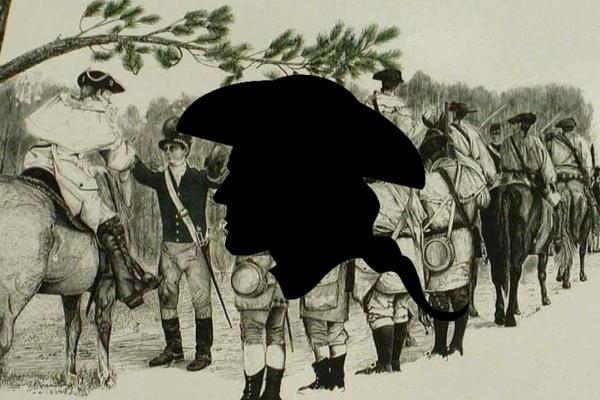
Born in England in 1723 and trained as a physician in London, John Pyle brought his family to Alamance County, North Carolina, where he later emerged as a steadfast Loyalist colonel. In 1781, his misidentification of Patriot troops as British escorts led to the brutal clash known as Pyle’s Defeat, leaving him wounded and maimed—yet ultimately tending to the very Patriot soldiers who had struck down his force.
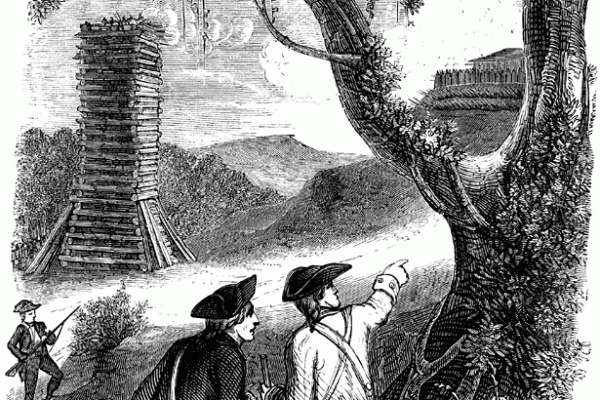
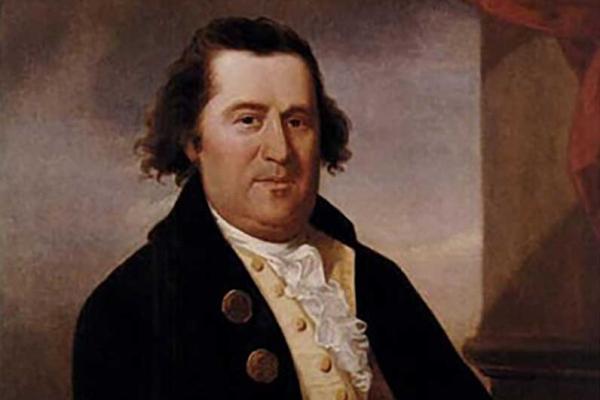
Hezekiah Maham, a South Carolina planter and military officer, gained fame during the American Revolution for his innovative siege tactics and leadership of "Maham's Legion." Post-war, he served in politics but became controversial for refusing to pay debts and aggressively confronting a deputy.

A former Revolutionary War captain, he led Shays' Rebellion in protest of economic hardships and oppressive taxation, which ultimately exposed the weaknesses of the Articles of Confederation and influenced the ratification of the U.S. Constitution.