The Liberty Trail
- parking
- accessible_parking
- wheelchair_accessible
- restrooms
- wifi


- restrooms
- wheelchair_accessible
- parking
- accessible_parking
- wheelchair_accessible
- restrooms

- parking
- accessible_parking
- wheelchair_accessible
- restrooms
- parking
- accessible_parking
- wheelchair_accessible
- pet_friendly


- wifi
- parking
- restrooms
- wheelchair_accessible


- parking
- accessible_parking
- wheelchair_accessible
- pet_friendly

- parking
- accessible_parking
- wheelchair_accessible
- restrooms
- wifi
- parking
- restrooms
- pet_friendly

- parking
- accessible_parking
- wheelchair_accessible
- restrooms
- wifi
- parking
- accessible_parking
- wheelchair_accessible

- parking
- restrooms
- wheelchair_accessible



- parking
- accessible_parking
- restrooms
- pet_friendly
- parking
- accessible_parking
- wheelchair_accessible
- restrooms

- parking
- accessible_parking
- wheelchair_accessible
- restrooms
- wifi
- parking
- accessible_parking
- wheelchair_accessible
- restrooms
- wifi
- parking
- wheelchair_accessible
- restrooms
- pet_friendly


- parking
- restrooms
- wheelchair_accessible



























- parking
- accessible_parking
- restrooms
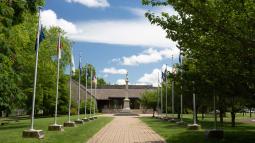
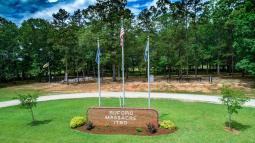
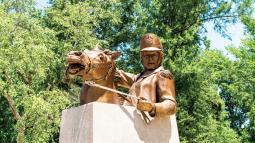

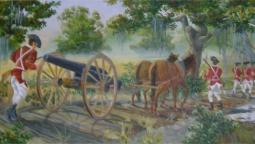
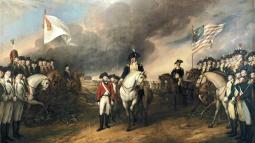
Explore the many guided tours of The Liberty Trail
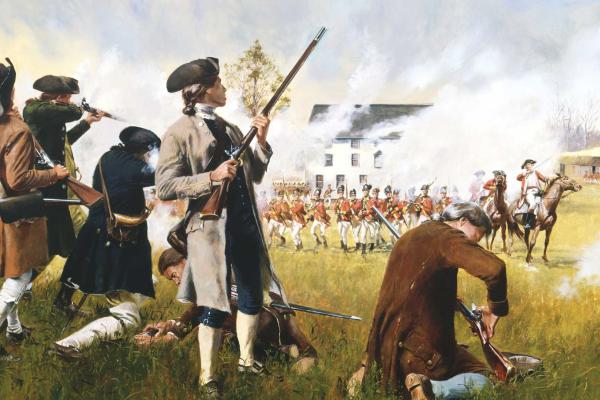
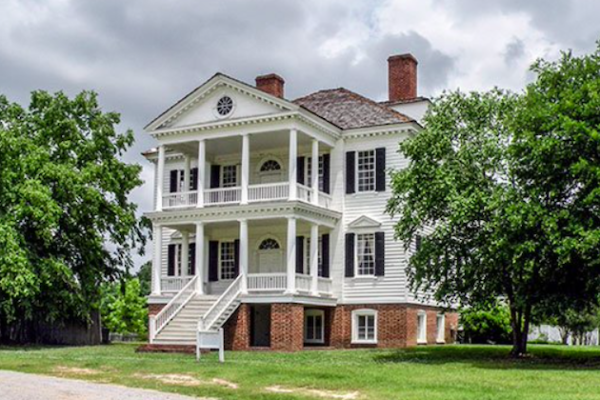
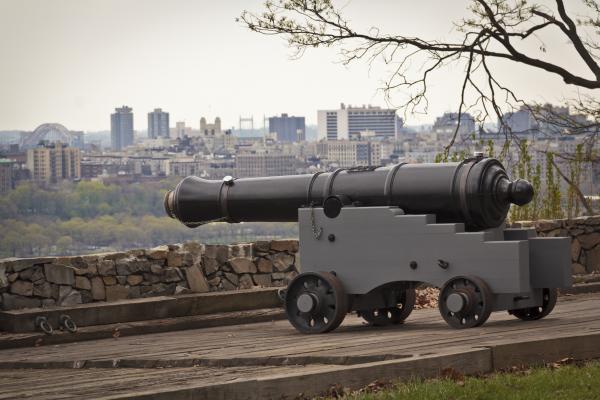
This Day on the Liberty Trail
Uncovering History
We invite you to visit the preserved locations along the Liberty Trail and to immerse
yourself in the extraordinary events that determined the fate of a nation.

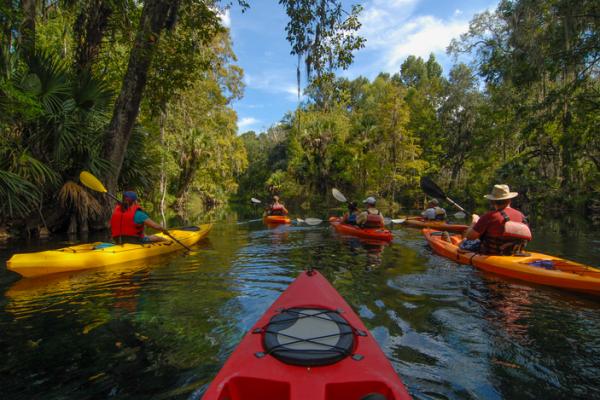
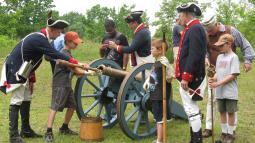
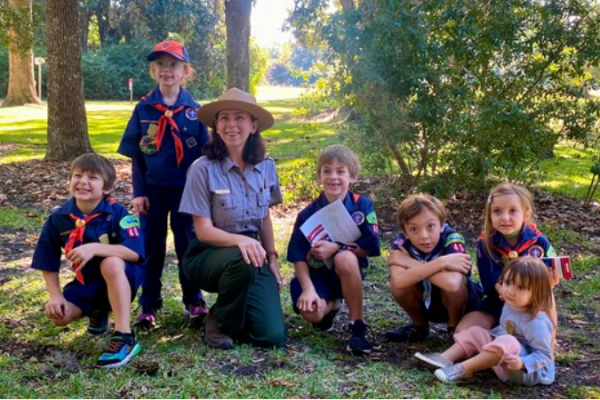
Family Friendly Adventures
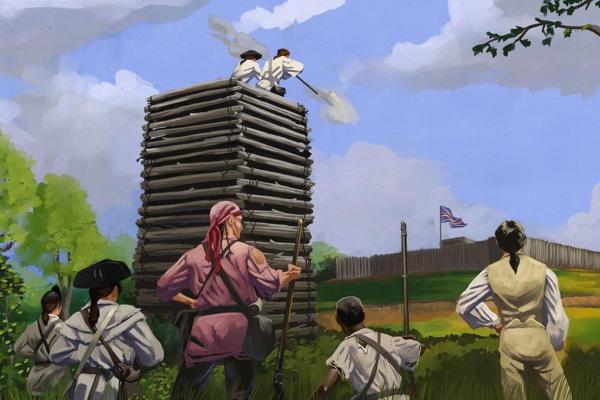
Discover a part of our nation’s history at historic landmarks and events.

Liberty Trail History Makers
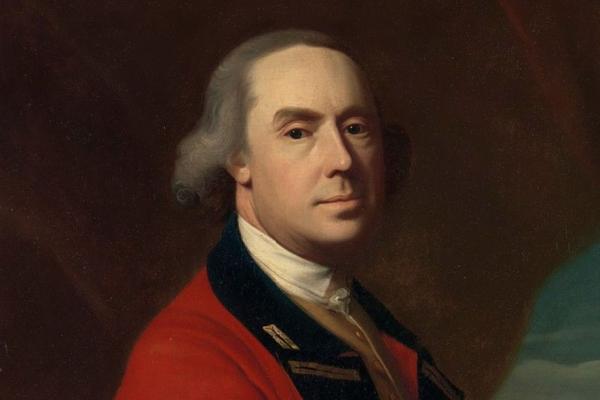
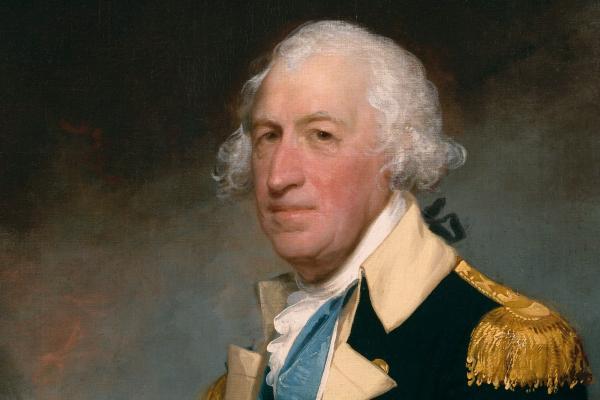
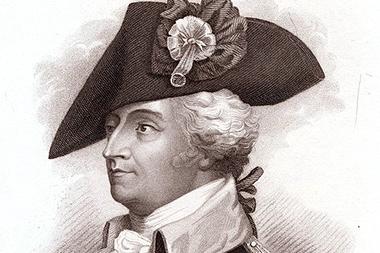
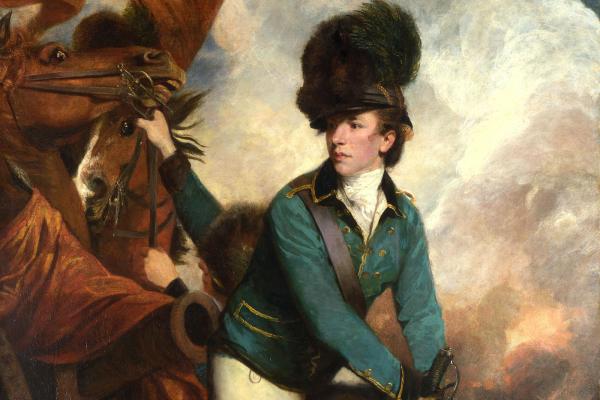
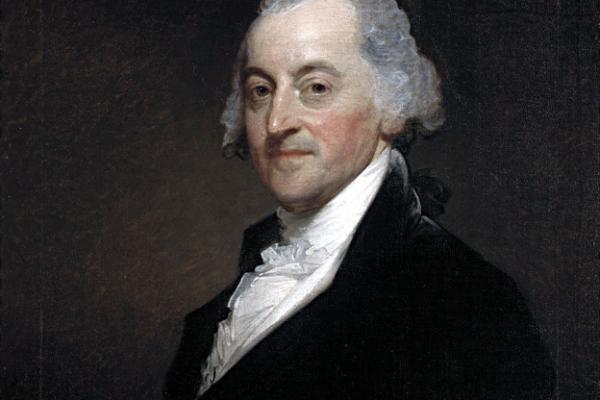
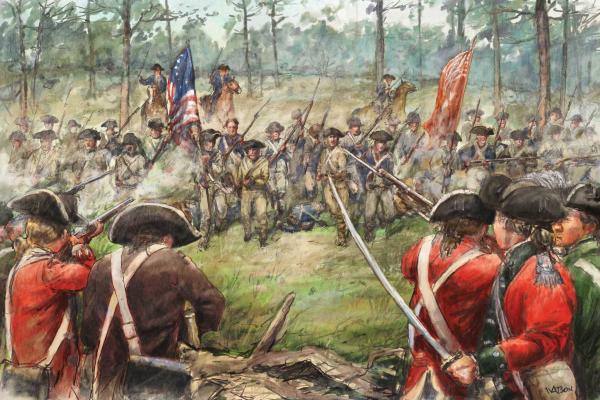
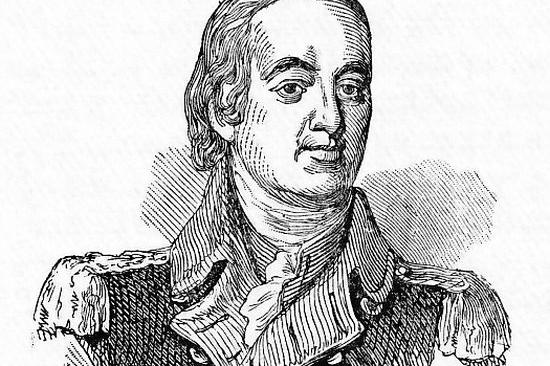
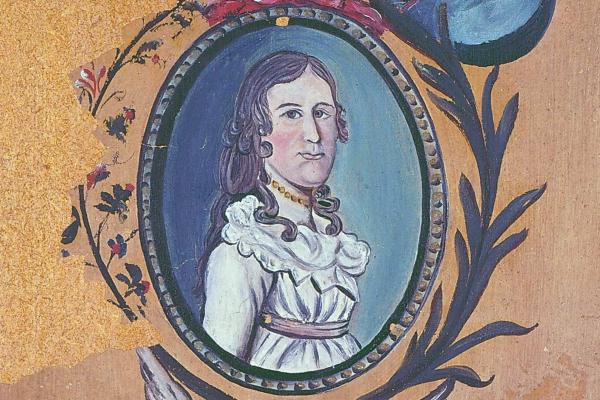
The Revolutionary War was a war unlike any other — one of ideas and ideals, that shaped “the course of human events. Explore the history and personalities from this pivotal time in American history.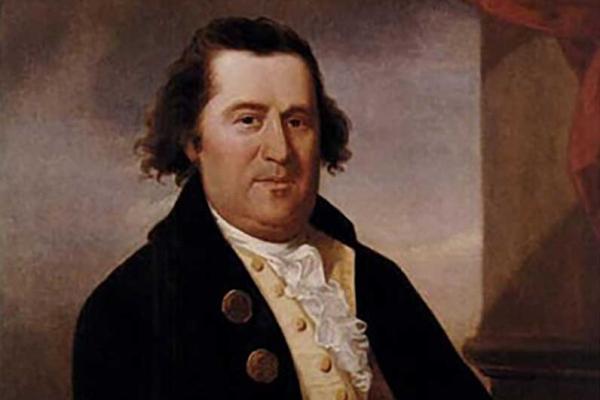
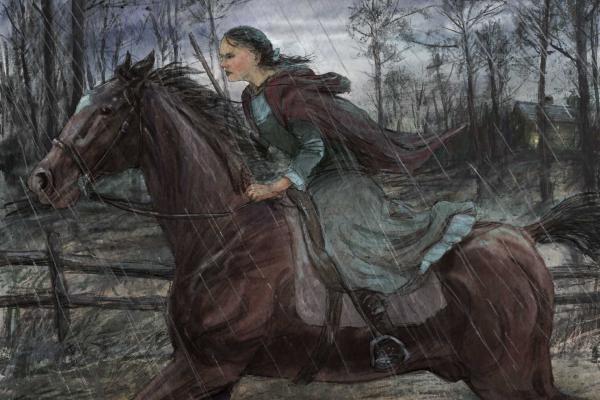
Overshadowed by Paul Revere famous midnight ride, Dawes also rode through the night on April 18, 1775, warning of the British march to Concord. He escaped capture and later served in the Revolutionary War.
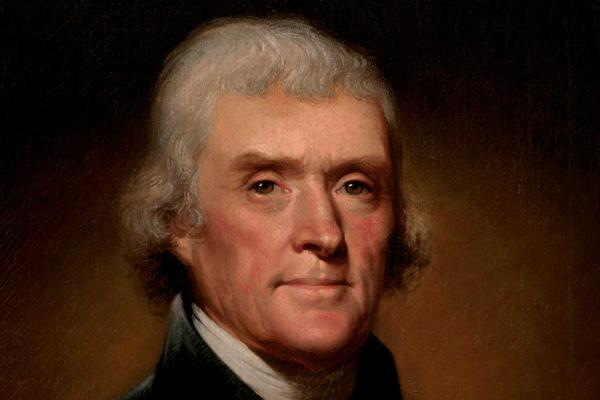
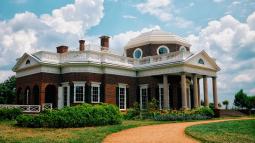
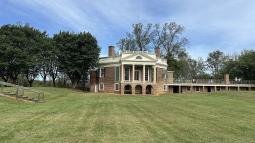
Thomas Jefferson, the principal author of the Declaration of Independence and the third president of the United States, was a figure whose political philosophy helped define the early American republic. A statesman, diplomat, and advocate for education and republicanism, he left a complex legacy that continues to shape debates about democracy, freedom, and national identity.
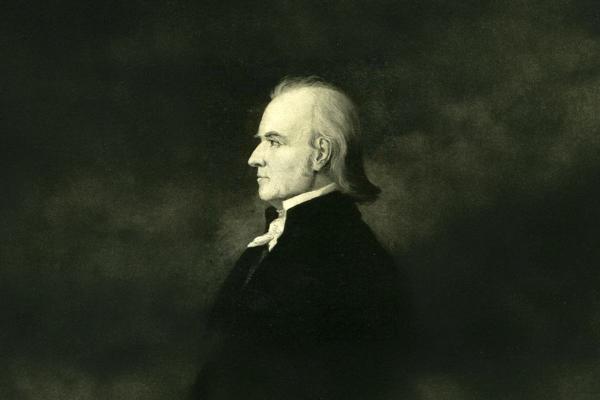
Frontier surveyor turned Patriot officer, William Lenoir carried the Revolution into North Carolina’s backcountry—fighting at Kings Mountain, surviving the chaos of Pyle’s Massacre, and emerging from war as one of Wilkes County’s most enduring civic leaders.
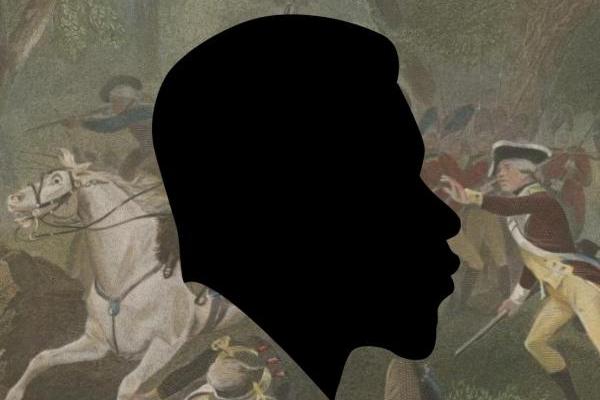
John Broddy, an enslaved aide to Colonel William Campbell during the American Revolution, fought alongside Campbell at Kings Mountain and was later emancipated in 1793 for his loyal service, living the remainder of his life in Virginia until his death in 1859.