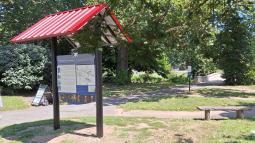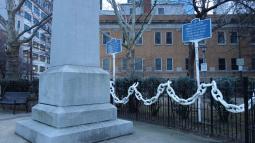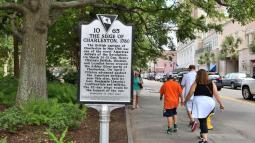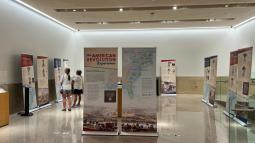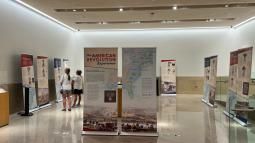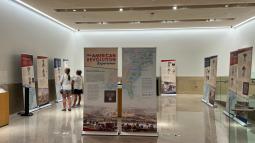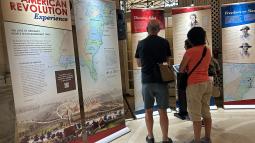

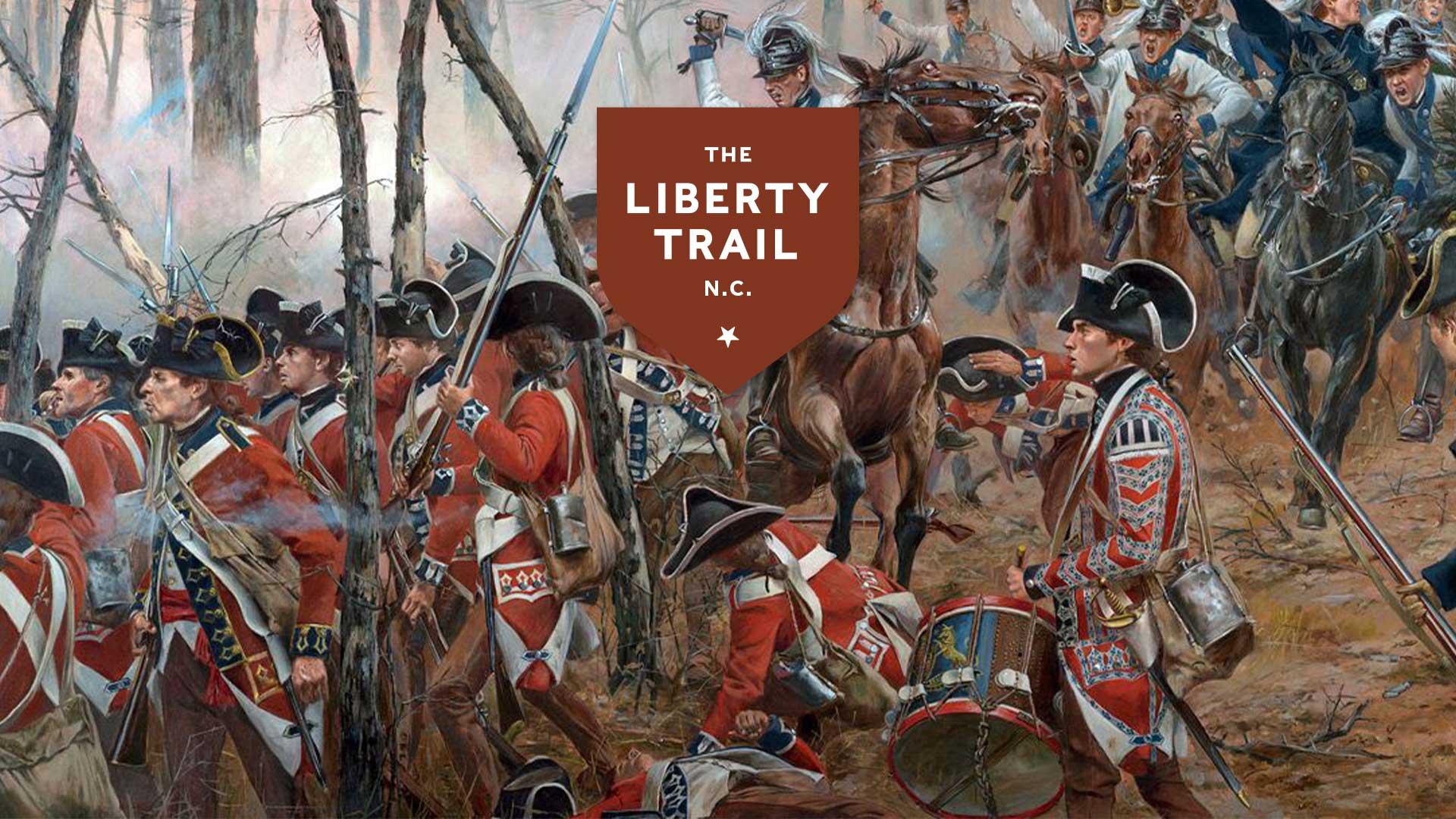
The Liberty Trail announces app and on-site binoculars in Charleston's Marion Square created through Anglo-American partnership
-
The BlogBiographies
-
Videos

The Liberty Trail announces app and on-site binoculars in Charleston's Marion Square created through Anglo-American partnership
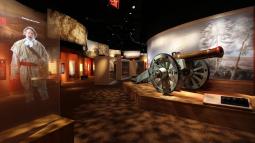


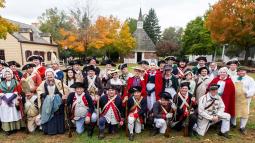
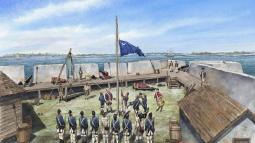










Explore the many guided tours of The Liberty Trail
We invite you to visit the preserved locations along the Liberty Trail and to immerse
yourself in the extraordinary events that determined the fate of a nation.
Discover a part of our nation’s history at historic landmarks and events.
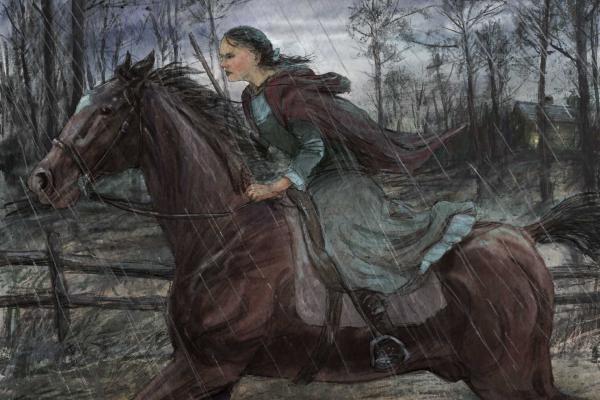
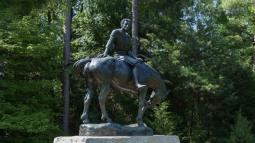
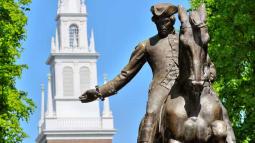
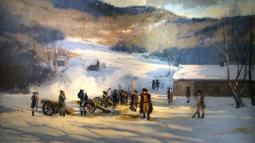
As opposed to Paul Revere, Sybil Ludington avoided capture during her ride to warn colonists of an advancing British column. Riding miles in downpouring rain and against all odds, Sybil's story remained in obscurity until the 1960s.
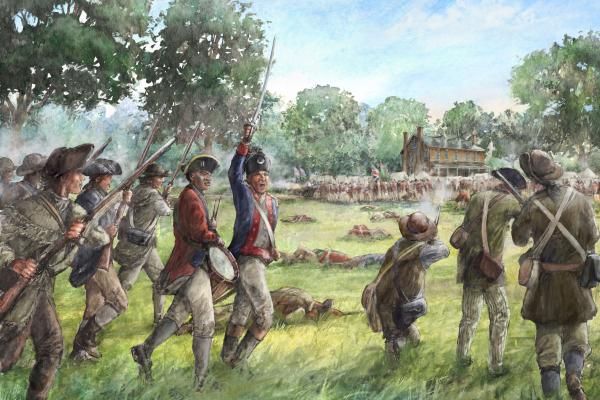
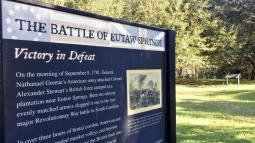
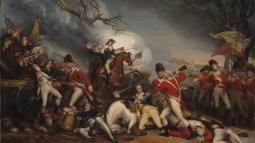
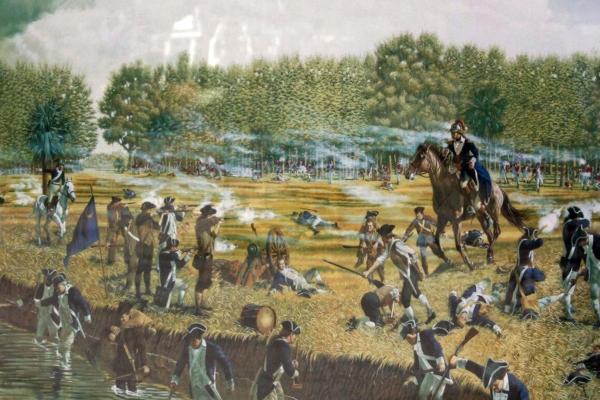
Jim Capers, a free African American who courageously served as a Drum Major during the American Revolution, survived brutal battles and close-quarters combat, including being severely wounded at Eutaw Springs. Capers spent his final years in Alabama, where his extraordinary contributions to the fight for independence went largely uncelebrated before his death at the age of 111 in 1853.
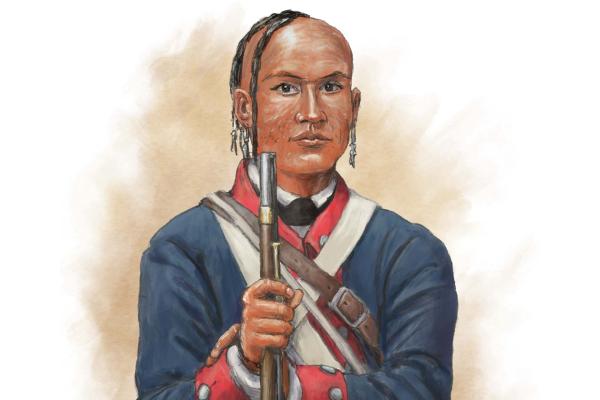
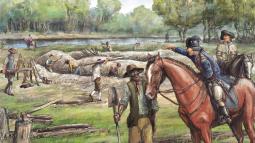
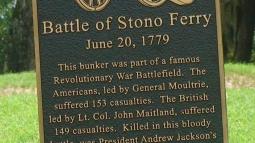
Peter Harris, a Catawba Indian who survived a devastating smallpox epidemic as a child, served bravely in the Continental Army during the American Revolution, fighting in key battles like Stono Ferry and Rocky Mount; despite his contributions, he later petitioned South Carolina for a pension, poignantly describing himself as "one of the lingering embers of an almost extinguished race," and was granted $60 a year just before his death in 1823.
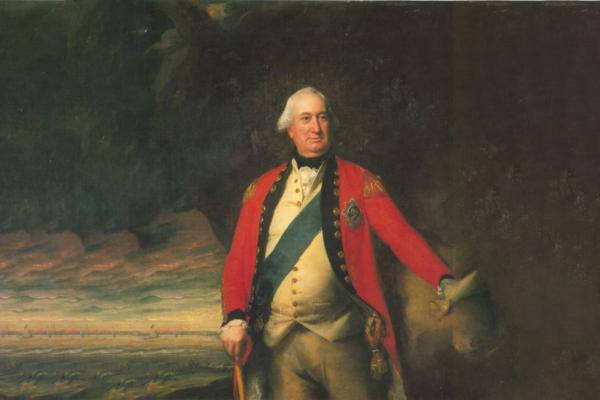
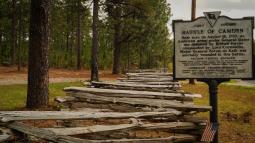
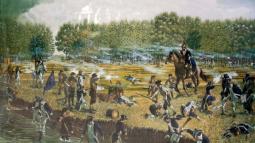
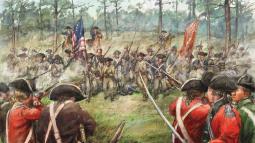
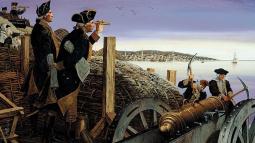
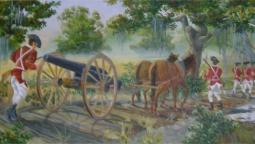
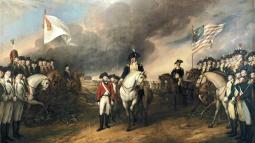
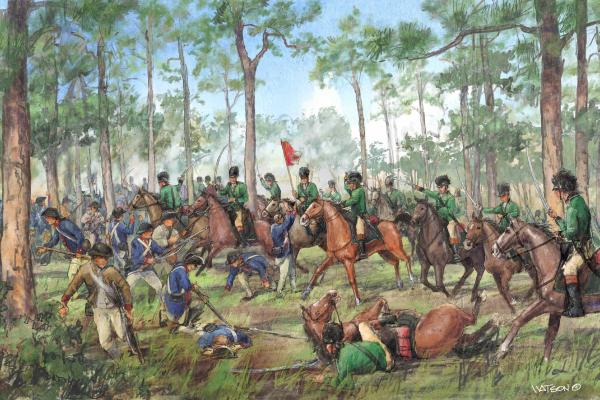
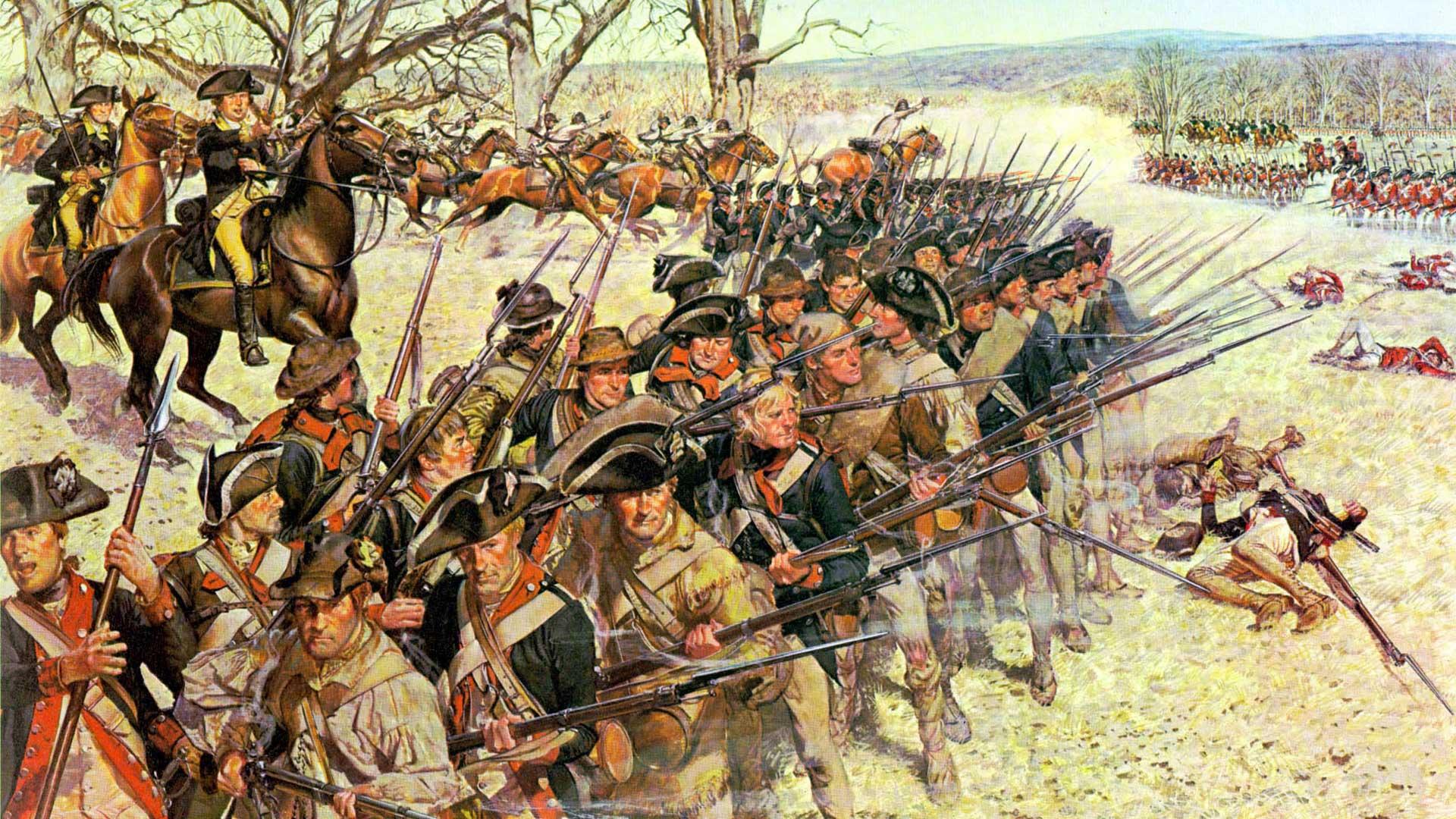
In 1779, after a stalemate in the north, Cornwallis went south as second in command to Sir Henry Clinton. Clinton captured Charleston in May 1780. Cornwallis pressed on to defeat General Horatio Gates at Camden, South Carolina, on August 16, 1780.