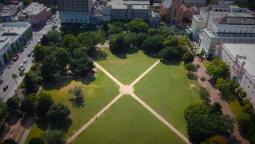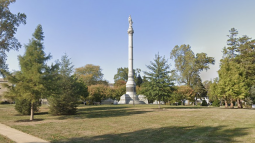
The Liberty Trail announces app and on-site binoculars in Charleston's Marion Square created through Anglo-American partnership
-
The BlogBiographies
-
Videos

The Liberty Trail announces app and on-site binoculars in Charleston's Marion Square created through Anglo-American partnership



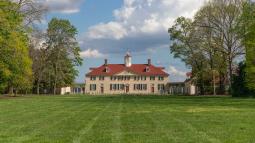


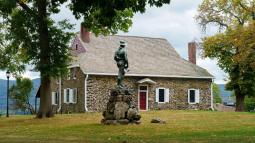
Explore the many guided tours of The Liberty Trail
We invite you to visit the preserved locations along the Liberty Trail and to immerse
yourself in the extraordinary events that determined the fate of a nation.
Discover a part of our nation’s history at historic landmarks and events.
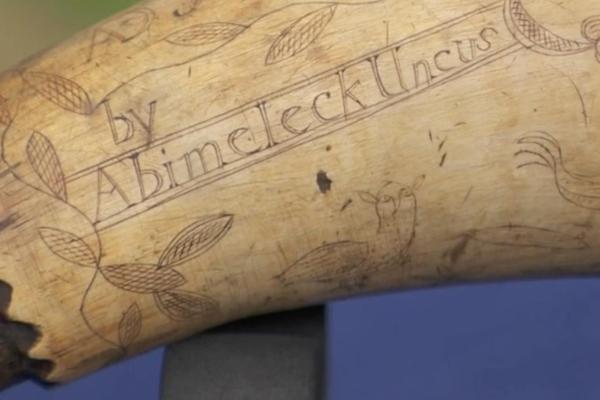
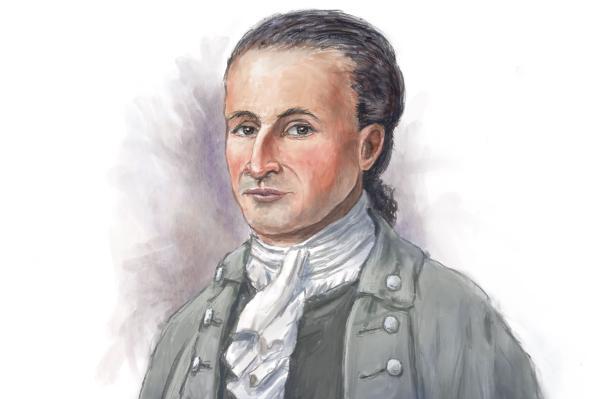
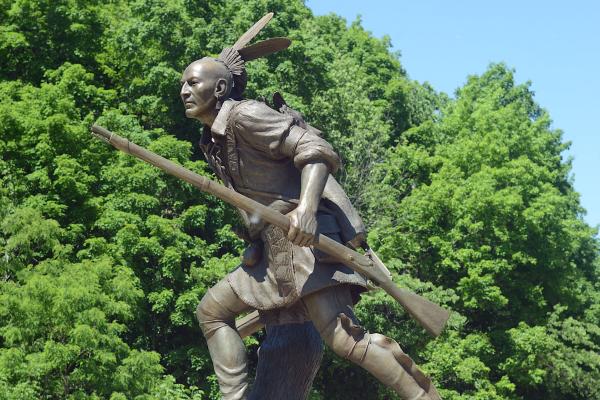
Abimeleck Uncus, a Mohegan Native American soldier in the Continental Army, served during the American Revolution, leaving behind a carved powder horn that commemorates his service at the Siege of Boston in 1775.
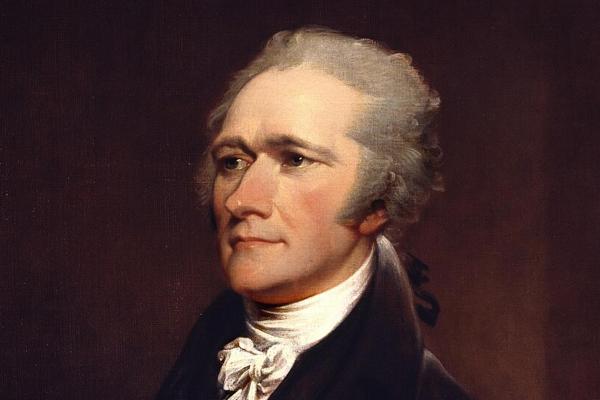
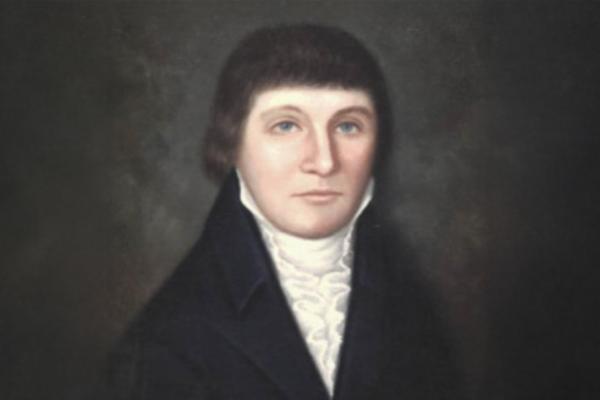
Alexander Hamilton, a Founding Father and the nation’s first Secretary of the Treasury, rose to prominence during the American Revolution as an artillery captain and later as a trusted aide-de-camp to General George Washington.
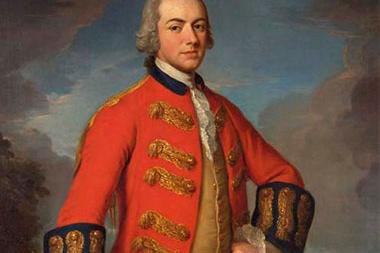
Despite the prominent role Cornwallis played in the Revolution, Henry Clinton was blamed for the loss of the American colonies following the surrender at Yorktown.
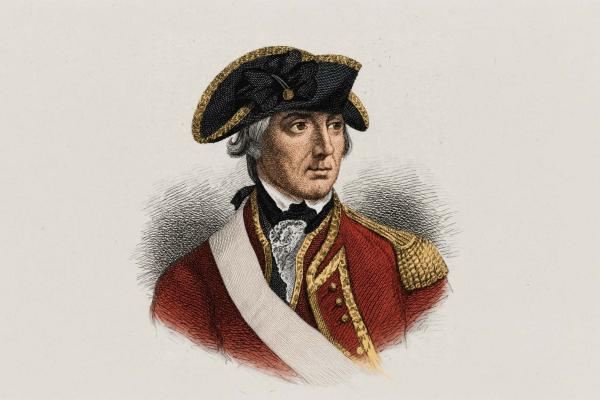
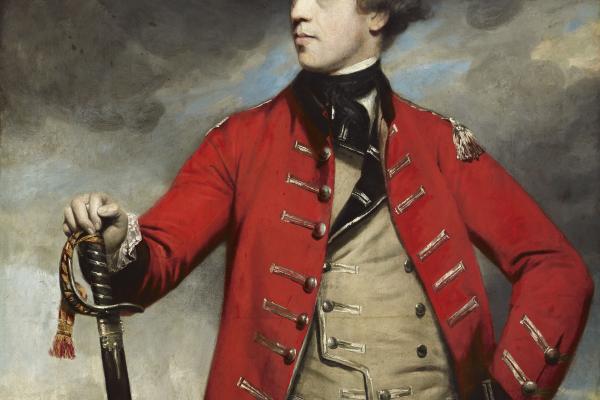
The commander-in-chief of British forces in North America, Howe is now known for his failure to quell the revolution in the colonies during its early years and return loyalty to the British crown.